

International Living
Paris vs. French Riviera Real Estate: Where Should International Buyers Invest?
Paris and the Côte d'Azur attract the same international buyers for very different reasons. A side-by-side comparison of lifestyle, property types, prices, costs, rental rules, access and resale, and how to decide which suits you.


For international buyers, France often comes down to a choice between two very different places: Paris, a global capital of culture, business and neighborhoods lived on foot, and the French Riviera, a Mediterranean coast of light, sea and outdoor life. Both have deep international demand. They suit different people, different properties and different plans.
There is no universally better market. The right choice depends on how often you will be there, what you want your days to look like, the kind of property you want to own and how you expect to use it over time. This guide compares the two side by side, with current figures where they help, so you can decide which fits you.
The short answer
Paris tends to suit buyers who want a city life all year, value culture, business and connectivity, are comfortable with apartment living, and see a home as a long-term base or pied-à-terre.
The French Riviera tends to suit buyers who want sun, sea and outdoor space, are drawn to terraces, gardens or villas, plan to spend seasons rather than weekends, and are prepared for more seasonal rhythms and, for villas, more maintenance.
Many buyers eventually own in both. Most start with one.
Side-by-side comparison
| Paris | French Riviera | |
|---|---|---|
| Lifestyle | Urban, cultural, walkable, year-round | Mediterranean, outdoor, coastal, more seasonal |
| Typical property | Apartments in co-owned buildings | Apartments in town; villas in the hills and on the capes |
| Average apartment price, October 2026 | €9,630 per m² | €5,245 (Nice) to €6,488 (Antibes) per m²; much higher in prime enclaves |
| Outdoor space | Rare and highly valued | Common, often central to value |
| Main airports | Charles de Gaulle and Orly, about 107 million passengers in 2025 | Nice Côte d'Azur, 15.23 million passengers in 2025 |
| Transfer taxes, existing homes | About 6.32% (5.81% for eligible first-time buyers) | About 5.81% in the Alpes-Maritimes; about 6.32% in the Var |
| Second-home taxe d'habitation surcharge | 60% in Paris | Set commune by commune |
| Holiday rentals | Main residence capped at 90 days a year; second homes strictly limited | Registration required; rules vary, with quotas in Nice from September 2026 |
| Maintenance | Mostly shared through the co-ownership | Higher for villas: gardens, pools, wildfire clearing |
Price data: MeilleursAgents estimates as of October 1, 2026. Airport data: Groupe ADP, as reported in January 2026, and Côte d'Azur Airports.
Lifestyle differences
Paris
Paris is a city of neighborhoods. Daily life happens on foot and by metro: markets, cafés, museums, schools and work within a short distance. It is fully alive in every season, with an intellectual and cultural life few cities match. The trade-offs are density, smaller spaces, gray winters and, for many, the absence of private outdoor space.

The French Riviera
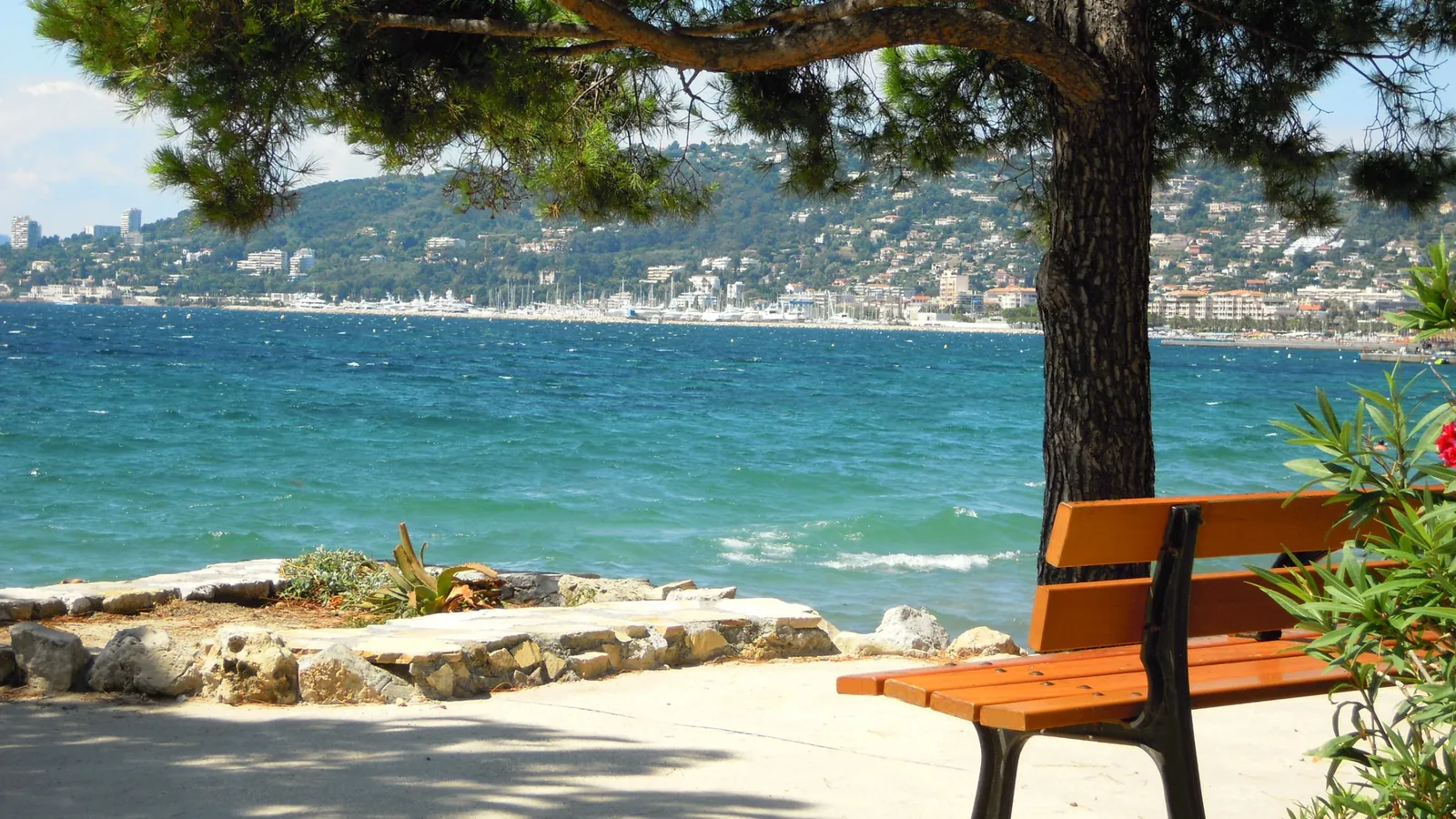
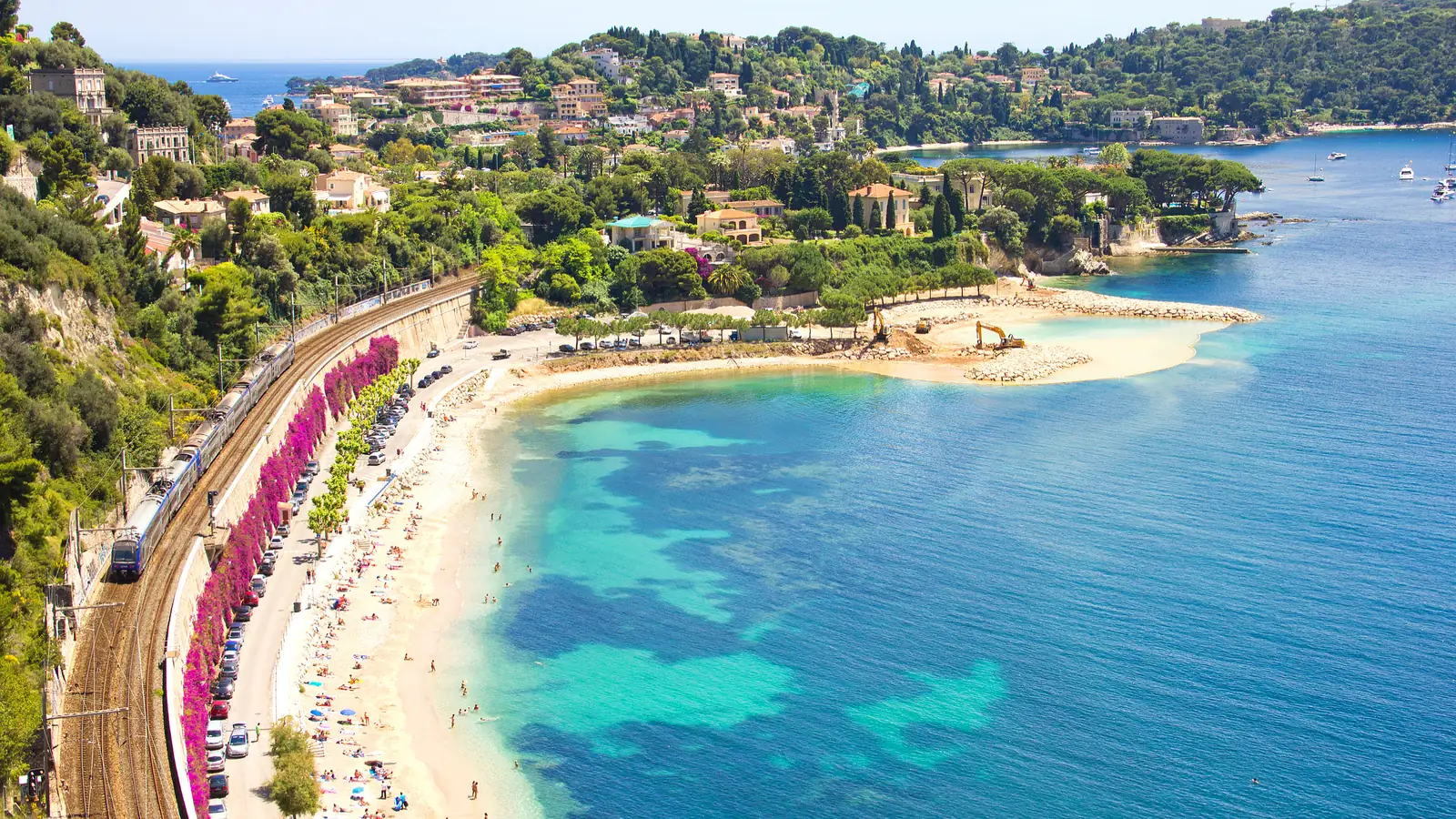
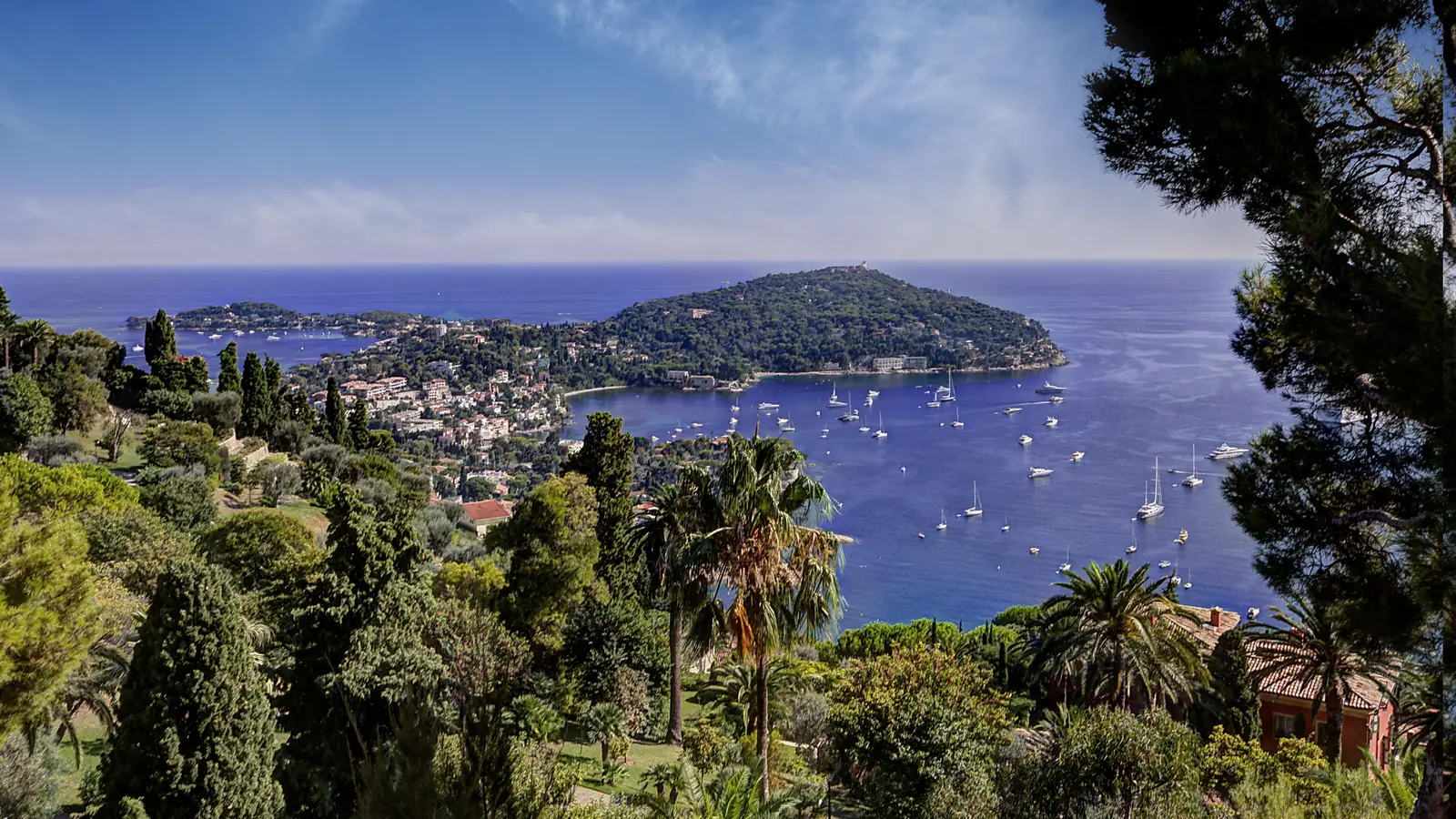
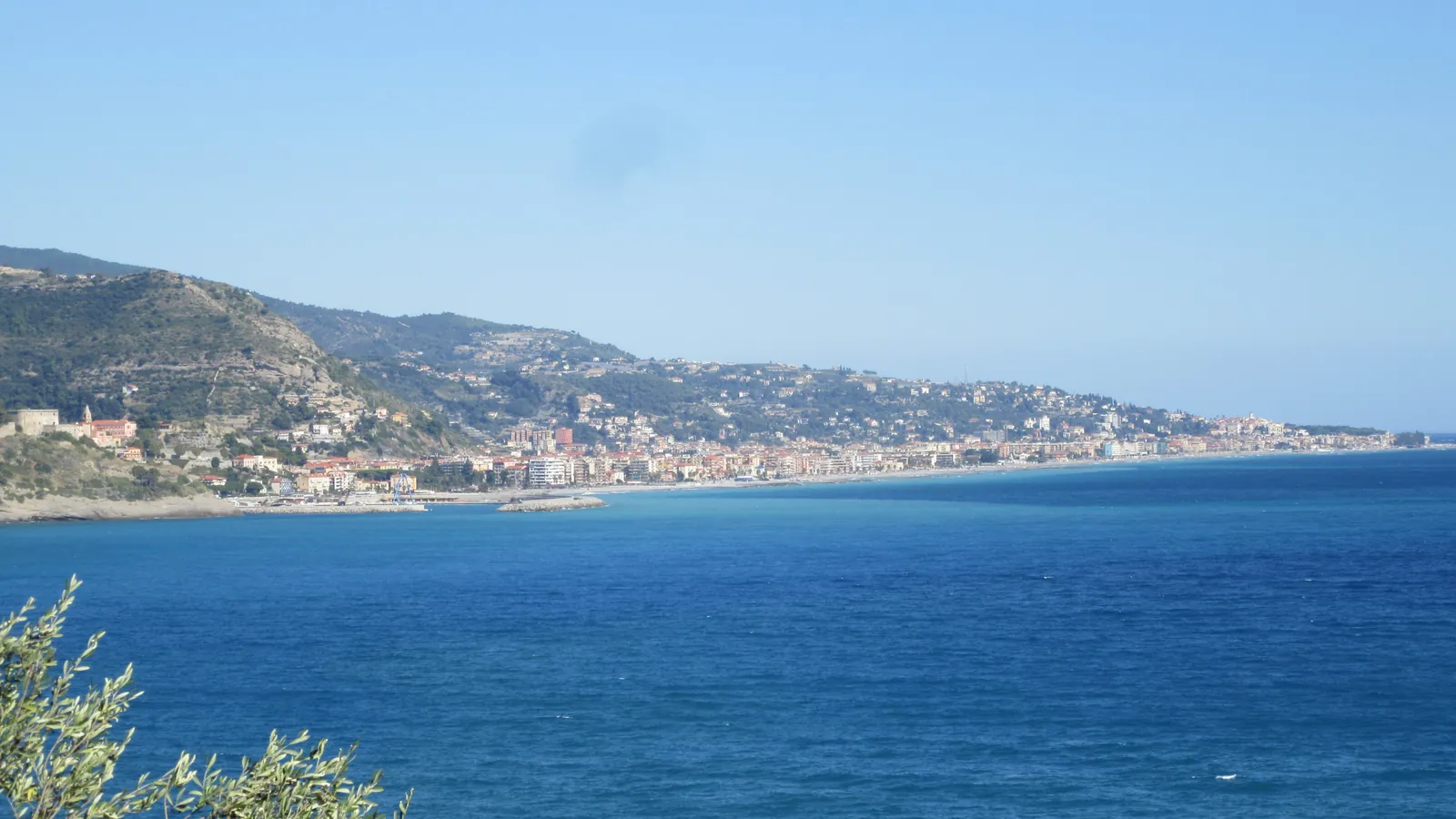
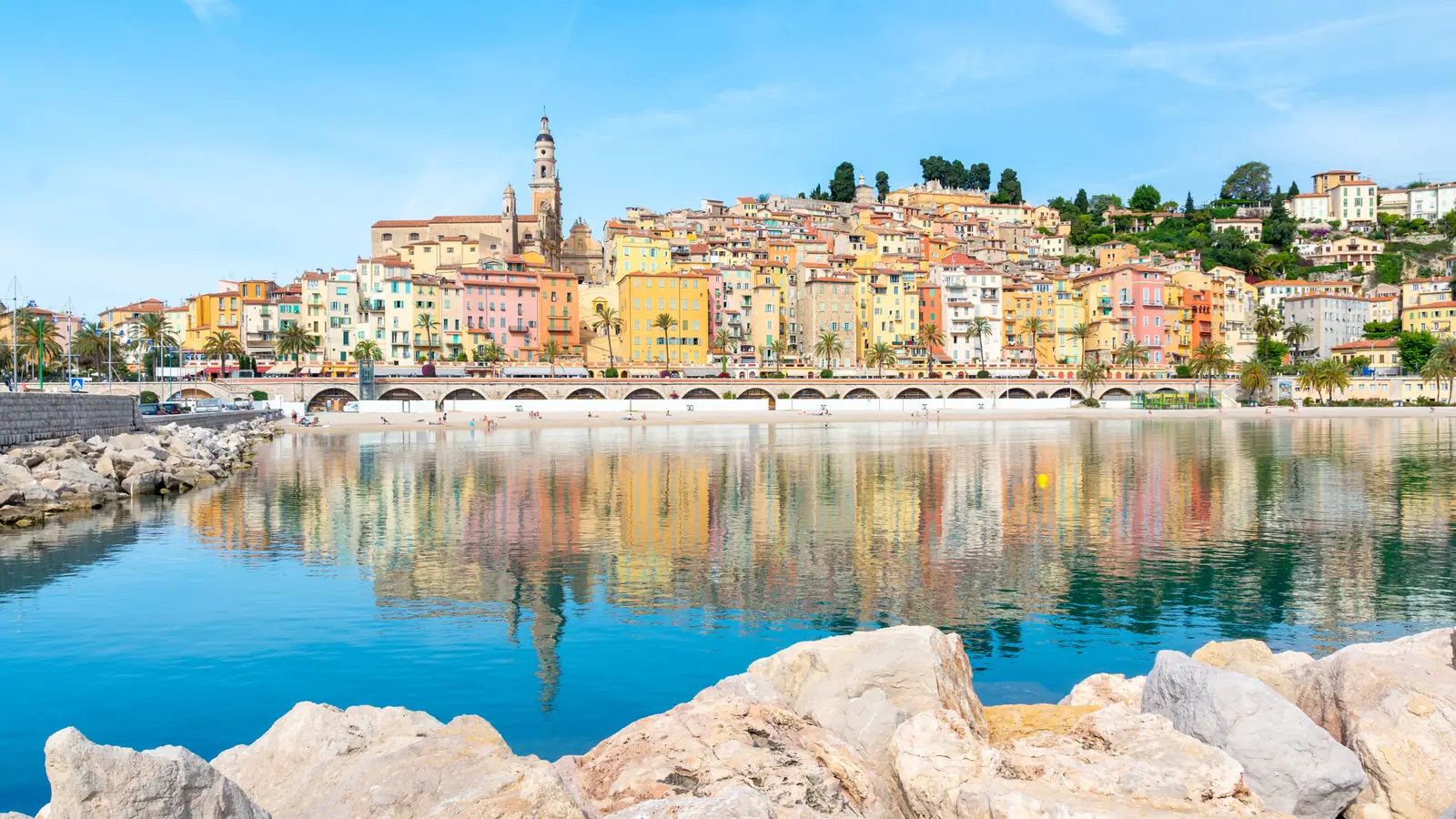
Life on the Côte d'Azur moves outdoors: the sea, terraces, markets, hikes in the hills and long lunches for much of the year. Nice is a year-round city with a university, hospitals and a tram to the airport; Antibes stays active in winter; Cannes and the smaller villages are more seasonal. Summer brings crowds and traffic; spring and autumn are, for many owners, the best seasons. Our guide to the best places to buy on the French Riviera compares the main towns.
Property types
Paris is overwhelmingly an apartment market. Buyers choose between Haussmann buildings with high ceilings and balconies, older buildings with beams and character, and more recent construction. Floor, elevator, light, outlook and the building's condition drive value as much as size. Our guide to buying an apartment in Paris explains how.
The Riviera offers more variety: city and seafront apartments, Belle Époque residences, village houses, contemporary villas and large estates. Sea views, terraces, gardens and pools are often central to value.
Market characteristics and budgets
At the city level, Paris is the more expensive market per square meter. MeilleursAgents estimated an average of €9,630 per square meter for Paris apartments on October 1, 2026, with the 7th arrondissement the most expensive at €15,222 and the 19th the least expensive at €8,167. The Notaires du Grand Paris, who report recorded sales, put existing Paris apartments at €9,520 per square meter as of May 2026.
On the Riviera, the same source estimated averages of €5,245 per square meter for apartments in Nice, €6,106 in Cannes and €6,488 in Antibes. But the coast has a far wider spread than Paris: houses on Saint-Jean-Cap-Ferrat averaged €23,152 per square meter, and the highest waterfront asking prices reported in 2026 were many times that.
In practice:
For the same budget, the Riviera usually offers more space, often with outdoor space, except in the most prestigious enclaves.
Paris prices are more uniform within a neighborhood; on the Riviera, view and position can change value dramatically on the same street.
Our guide to what €1 million, €2 million and €5 million can buy on the French Riviera looks at Riviera budgets in more detail.
Seasonal demand
Paris demand is relatively steady through the year, shaped by work, studies, schools and international visitors. The Riviera has a pronounced seasonal rhythm: summer brings visitors, events and holiday demand; winter is quiet in many towns. This affects how lively your neighborhood feels when you are there, how easy it is to rent, and when buyers are most active.
Long-term living
If you plan to live in France year-round, Paris offers the broadest range of work, international schools, healthcare and services, and needs no car. Nice is the Riviera's most complete year-round alternative, with a gentler climate, international schools in the area and a slower pace. Smaller Riviera towns and hillside villas can be wonderful year-round homes for those who want calm, but usually require a car. Our guide to moving from the USA to France covers the visa, healthcare and tax side.
Second homes
As a second home, a Paris apartment is easy to lock and leave and is close to two major international airports. A Riviera home offers a holiday lifestyle and, often, outdoor space, but a villa needs someone to look after it while you are away.
Second homes are taxed in both places. Owners pay the taxe foncière and the second-home taxe d'habitation. Paris applies the maximum 60% surcharge on that tax for second homes; on the Riviera, the surcharge is set commune by commune. Our guide to the real cost of owning property in France explains each charge.
Rental considerations
Neither market should be bought on the assumption of easy holiday-rental income.
Paris limits the renting of a main residence as a furnished tourist rental to 90 days a year, since January 1, 2025. Renting a second home to tourists generally requires a change-of-use authorization, which is difficult and costly to obtain. Longer furnished or unfurnished leases follow national tenancy rules, with rent controls in Paris.
The Riviera has also tightened its rules. Furnished tourist rentals must be registered under the national system, communes can impose further limits, and co-ownership rules can forbid tourist lets. Nice adopted new change-of-use rules that apply from September 1, 2026, with annual quotas for new authorizations in several zones.
Everywhere, energy ratings matter for long-term rentals: homes rated G have been treated as non-decent for new rental leases since 2025, with F-rated homes following in 2028.
If rental income is part of your plan, check the rules for the specific commune and building before you make an offer. Our guide to investing in French Riviera property covers rental strategies and taxes on the coast.
Transportation and airport connectivity
Paris is one of the world's best-connected cities: Charles de Gaulle and Orly together handled about 107 million passengers in 2025, with direct flights to most international destinations, and high-speed trains link the city to the rest of France and to neighboring countries.
Nice Côte d'Azur Airport handled 15.23 million passengers in 2025 and offers direct flights across Europe and several long-haul routes, including one to Washington that opened in 2025. Elsewhere, connections often run through Paris or another European hub. From Paris, the Riviera is a short flight away, or a long journey by high-speed train.
Property management and maintenance
In Paris, most maintenance is handled through the co-ownership, and an absent owner mainly needs someone to check the apartment, receive deliveries and manage occasional repairs. Voted building works, such as facade or roof restoration, can be significant.
On the Riviera, apartments work in much the same way. Villas are different: gardens, pools, security, sun and sea air all require regular care, and in fire-prone areas owners must clear vegetation around buildings by law. A reliable caretaker or property manager is usually essential.
Liquidity and resale considerations
Both markets have deep international demand, but they behave differently.
Paris has a large, active apartment market with many comparable sales, which makes values easier to establish and well-located apartments generally easier to sell. Energy ratings, building condition and floor level increasingly separate easy sales from difficult ones.
The Riviera is more varied. Well-located apartments in Nice, Cannes and Antibes trade regularly. Exceptional villas and estates have a smaller pool of buyers and can take longer to sell, and their prices are harder to benchmark.
Neither market guarantees appreciation, and past performance is not a guide to future returns. Buy a property you would be happy to own for many years, at a price supported by recent comparable sales.
Purchase costs
Purchase costs are similar in structure in both markets. For existing homes, transfer taxes total about 6.32% of the price in Paris, which applies the temporary higher departmental rate, and about 5.81% in the Alpes-Maritimes, which does not. In the Var, home to Saint-Raphaël, they total about 6.32%. The notaire's regulated fee and other costs come on top. Our guide to buying property in France as an American explains the process and costs.
International buyer priorities
When international buyers choose between the two, the deciding factors tend to be:
How often they will come, and in which seasons
Whether they want a city or a coast, day to day
Apartment or house, and how much maintenance they accept
Access: direct flights from home, and travel time from the airport
Family: schools, visits from children and grandchildren
Plans for the future: retirement, relocation or eventual resale
Who may prefer Paris
Buyers who want a city life with culture, restaurants and work all year
Frequent business travelers who need global connections
Families considering schools or university in France
Owners who want a lock-and-leave apartment with minimal upkeep
Buyers who value a large, liquid market of comparable apartments
Who may prefer the French Riviera
Buyers who prioritize sun, sea and outdoor living
Those who want terraces, gardens, pools or more space for the budget
Owners planning long stays in spring, summer and autumn
Buyers who want a villa or a property with land
Those drawn to proximity to Monaco and Italy
Monaco, just along the coast, is a separate sovereign country with its own laws and market. Our Monaco buying guide covers it separately.
Common mistakes
Choosing a market based on a holiday. Visit in more than one season.
Assuming holiday-rental income. Both Paris and the Riviera regulate it tightly.
Comparing prices per square meter across markets. A Paris apartment and a Riviera villa are different products.
Underestimating villa upkeep. Gardens, pools and security add up.
Ignoring travel time. A beautiful home that takes a day to reach may see little use.
Frequently asked questions
Is it better to buy property in Paris or on the French Riviera?
Neither is better in general. Paris suits buyers who want a year-round city life and an apartment; the Riviera suits buyers who want a Mediterranean lifestyle, outdoor space and often a villa. Decide based on how you will use the home.
Is Paris more expensive than Nice?
Yes, per square meter. MeilleursAgents estimated an average of €9,630 per square meter for Paris apartments and €5,245 for Nice apartments as of October 1, 2026. The most exclusive Riviera enclaves are, however, far more expensive than Paris.
Can I rent out my Paris or Riviera apartment to tourists?
Only within strict rules. In Paris, a main residence can be let to tourists for up to 90 days a year, and second homes face much stricter limits. On the Riviera, registration is required and many communes, including Nice, impose further rules.
Which is better for a second home, Paris or the Riviera?
Paris offers easy lock-and-leave apartments and excellent connections. The Riviera offers a holiday lifestyle and outdoor space but, for villas, more maintenance. Both carry second-home taxes.
Final perspective
Paris and the French Riviera are both exceptional places to own property, and both reward buyers who choose with their own lives in mind. Start with how you want to spend your time in France, then look at the properties, the costs and the rules that come with each.
To explore property opportunities across France, see our France overview, our Paris and French Riviera pages, current properties in France, or contact Asher to talk through your options.
Sources
MeilleursAgents, price estimates as of October 1, 2026: Paris (opens in a new tab), Nice (opens in a new tab), Cannes (opens in a new tab), Antibes (opens in a new tab) and Saint-Jean-Cap-Ferrat (opens in a new tab).
Notaires du Grand Paris, Île-de-France market, March to May 2026 (opens in a new tab).
DéplacementsPros, Groupe ADP 2025 traffic results (opens in a new tab), January 16, 2026.
Côte d'Azur Airports, 2025 results (opens in a new tab).
Ville de Paris, the 90-day limit on furnished tourist rentals (opens in a new tab) and the second-home surcharge (opens in a new tab).
Métropole Nice Côte d'Azur, notice on change-of-use quotas in Nice (opens in a new tab), August 2026.
Transfer tax rates by département: Toutsurmesfinances (opens in a new tab).
This guide is general information as of October 2026. It is not investment, legal or tax advice, and it makes no prediction of future prices or returns.
About the author
Asher McInerney
Asher McInerney has more than 20 years of real estate experience and has been licensed in California since 2005. He represents clients in San Francisco with Ground Matrix, Inc., and serves as International Director of Sales at Fracct Homes in France.
More about Asher