
Monaco
Buying Property in Monaco in 2026: Prices, Neighborhoods, Costs & Residency Questions
Foreigners can buy property in Monaco freely, but the Principality has its own process, costs and residency rules. What to expect, district by district, and what ownership does and does not give you.

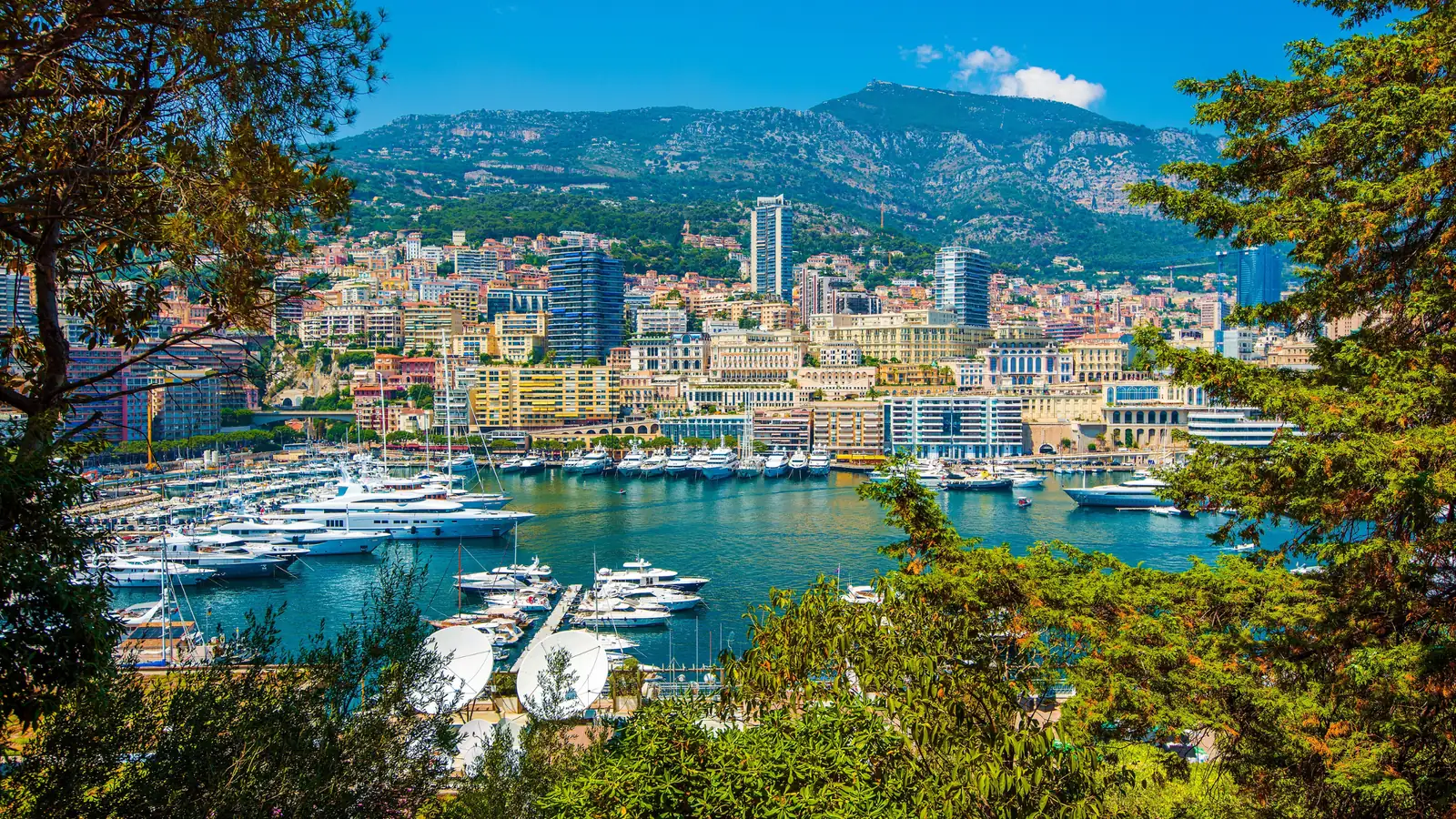
Foreigners can buy property in Monaco without restriction, and many of the Principality's owners are international. What surprises buyers is how different the process is from France next door, how much the choice of building matters, and the fact that owning an apartment does not, on its own, make you a Monaco resident.
Monaco is a sovereign country with its own laws, taxes and professionals. This guide explains how a purchase works in 2026, what it costs, how the districts differ and what to check before you commit. For the latest market figures, see our Monaco real estate market report.
Can foreigners buy property in Monaco?
Yes. There is no nationality restriction on buying residential property in Monaco, and purchases can be made by individuals or through companies, although the tax treatment differs, as explained below.
A purchase is a property transaction, not an immigration decision. Residency is a separate application with its own conditions.
How the market is priced
Monaco's statistics institute, IMSEE, estimated an overall price of €57,569 per square meter for 2025, based on a statistical model covering sales and resales with a known floor area, excluding villas and Monaco-Ville. District estimates ranged from about €43,800 per square meter in Les Moneghetti to €71,167 in Larvotto. Of the 493 transactions recorded in 2025, 429 were resales, with a median resale price of €4.0 million.
These are 2025 results, published in February 2026, and they are averages across very different properties. In Monaco, a single building can contain apartments whose value per square meter differs widely by floor, view and terrace.
The districts at a glance
Monaco is small enough to walk across, but its districts feel distinct. Our Monaco districts guide compares them in more detail.
Monte-Carlo and the Carré d'Or
Monte-Carlo is the Principality's best-known district and its busiest resale market: IMSEE recorded 164 resales there in 2025, about two in five of the total. The Carré d'Or, the area around the Casino, the Casino Gardens and the luxury boutiques, carries a premium for its central position. Buildings range from Belle Époque residences to modern towers with full services.
Larvotto
Larvotto, along the eastern seafront with Monaco's public beach, recorded the highest district estimate in 2025, above €70,000 per square meter. Recent waterfront development has added to its appeal, and supply is limited.
La Condamine
La Condamine surrounds Port Hercule and the market square. It is lively and practical, with shops, restaurants and quick access to the port, and offers a mix of older and more recent buildings.
Fontvieille
Fontvieille, built largely on land reclaimed from the sea, is quieter and more residential, with its own marina, the Princess Grace Rose Garden and modern buildings that often include parking and storage.
Jardin Exotique and Les Moneghetti
On the higher ground to the west, these districts recorded the lowest model estimates in 2025. They can offer more space for the budget and wide views, with more uphill walking and less proximity to the seafront.
Monaco-Ville
The historic Rock, home to the Prince's Palace, has very few transactions and is excluded from IMSEE's price model.
How a purchase works in Monaco
The process resembles France's in outline but is governed entirely by Monegasque law and professionals.
Prepare. Clarify budget, purchasing structure and financing, and gather the documents banks and notaries will ask for, including proof of funds.
Search with licensed professionals. Real estate transactions in Monaco are a regulated activity under Law No. 1.252 of July 12, 2002. Work with professionals authorized to operate in the Principality.
Make an offer and agree terms. Once accepted, the parties sign a preliminary agreement before a Monaco notary, usually with a deposit.
Due diligence. The notary verifies title and the legal situation of the property; buyers should also check the building, the co-ownership and the property itself. See our Monaco due diligence checklist.
Sign the deed. The final deed is signed before the notary, the balance and costs are paid, and ownership transfers.
Timelines vary with financing and the complexity of the structure; a typical purchase takes two to three months from accepted offer to deed. Agree on every condition in writing before you sign. Our guide to the Monaco purchase process from offer to keys walks through each stage.
What it costs to buy
Acquisition costs depend on who buys and what is bought:
| Buyer and property | Registration duties | Notary fees |
|---|---|---|
| Individual, or a Monegasque civil company whose partners are identified individuals, buying a resale property | 4.75% | 1.5% of the price, plus disbursements |
| Other legal entities | Higher rates apply, up to 10% where beneficial ownership is not declared | 1.5% of the price, plus disbursements |
| New-build sold with VAT | Reduced duties apply | 1.5% of the price, plus disbursements |
For an individual buying an existing apartment, duties and notary fees together come to about 6.25% of the price. Agency fees are not fixed by law; they are commonly quoted at around 3% plus VAT and are generally paid by the buyer. Confirm the amount and who pays it in writing before you make an offer.
Monaco does not levy an annual tax on simply owning a home. Property held through companies, however, is subject to annual declaration rules, and the purchasing structure has long-term consequences; take legal advice before choosing one.
What to evaluate in a Monaco apartment
The building
Monaco buildings range from residences with minimal services to towers with concierge, security, pools and fitness rooms. Services add comfort and cost: ask for the service charges and the maintenance history, and read the co-ownership's recent decisions.
Parking and storage
Parking spaces and cellars are often separate lots with their own value. Check whether they are included, whether they are deeded or rented, and where they are located.
Views, light and outdoor space
Terraces, sea views and southern exposure carry a premium that is difficult to replicate elsewhere in a dense city. Check whether views could be affected by future construction.
Condition and renovation
Renovating in Monaco requires authorizations and coordination with the building, and works are subject to noise and timing rules. A turnkey apartment can be worth more than its square meters suggest to a buyer who does not want to manage a project from abroad.
Measured areas
Compare like with like. Confirm the interior area, the terraces and any annexes separately, as listings may present them together.
Residency and property ownership
Owning property in Monaco does not automatically grant residency. Anyone aged 16 or over who wishes to live in Monaco for more than three months a year must apply for a residence permit, and must prove three things:
Accommodation in Monaco large enough for the household, whether owned, rented or provided by a close relative
Sufficient financial resources, usually including a reference from a bank in Monaco
Good character, through a recent criminal record extract
Ownership satisfies the accommodation requirement only. Buyers whose plan depends on residency should prepare that application alongside the purchase, with qualified advisers. Our Monaco residency guide explains the process step by step.
Asher's work in Monaco
Asher McInerney's first completed sale in Monaco, a renovated residence in Roqueville, Monte-Carlo, is described in our case study. The details of the transaction remain private.
Asher works alongside experienced, locally licensed Monaco professionals, coordinating opportunities for international clients across San Francisco, the French Riviera, Paris and Monaco. Our guide to who does what in a Monaco or Riviera purchase explains how agents, notaries and advisors differ.
Common mistakes
Assuming French rules apply. Monaco has its own laws, taxes and professionals.
Assuming ownership means residency. It covers accommodation only.
Choosing a structure for tax reasons alone. Company ownership carries different duties and annual obligations.
Comparing average prices. Value is set by the building, floor, view and terraces.
Overlooking parking and storage. They may not be included.
Leaving agency fees unclear. Agree them in writing first.
A buyer's checklist
Define how you will use the home: residence, second home or investment
Decide, with advice, whether to buy personally or through a structure
Work only with professionals authorized to operate in Monaco
Compare recent transactions in the same building or street
Confirm interior area, terraces, parking and cellar separately
Ask for service charges, recent co-ownership decisions and planned works
Confirm duties, notary fees and agency fees in writing
Prepare the residency application in parallel if you plan to live there
Frequently asked questions
Can foreigners buy property in Monaco?
Yes. There is no nationality restriction. Individuals and companies can buy, with different duty rates.
Does buying property in Monaco give you residency?
No. Ownership proves accommodation, but a residence permit also requires sufficient financial resources and good character, and must be applied for separately.
What are the purchase costs in Monaco?
For an individual buying an existing apartment, registration duties of 4.75% plus notary fees of about 1.5% bring costs to about 6.25% of the price, before agency fees.
Is there an annual property tax in Monaco?
There is no annual tax on simply owning a home in Monaco. Property held through companies has annual declaration requirements.
Final perspective
Monaco combines a highly international buyer base with a small, distinctive market and its own legal framework. The right purchase starts with the right building, a clear understanding of costs and structure, and realistic expectations about residency.
Learn more on our Monaco page, or contact Asher to discuss Monaco property opportunities and the local professionals who can support your purchase.
Sources
IMSEE (Monaco Statistics), Real Estate Observatory 2025 (opens in a new tab), published February 2026.
Government of Monaco, how to apply for a residence permit (opens in a new tab).
Legimonaco, Law No. 1.252 of July 12, 2002 on real estate transaction activities (opens in a new tab).
Fortress, the real cost of buying property in Monaco (2026) (opens in a new tab), citing Law No. 580 and Sovereign Ordinance No. 15.252.
This guide is general information as of October 2026, not legal, tax or immigration advice.
About the author
Asher McInerney
Asher McInerney has more than 20 years of real estate experience and has been licensed in California since 2005. He represents clients in San Francisco with Ground Matrix, Inc., and serves as International Director of Sales at Fracct Homes in France.
More about Asher