

Buying Guides
Buying Property in France as an American: The Complete 2026 Guide
Americans can buy property in France, but the process, the costs and the responsibilities of ownership work differently from the United States. This guide explains what to expect, from the first viewing to the notaire's signature.


For many Americans, buying a home in France begins with a picture: an apartment on a Parisian boulevard, a villa above the Mediterranean, a stone house in a Provençal village. Turning that picture into a sound purchase means understanding a system that works differently from the one at home.
France is open to international buyers, and the process is well regulated. But the roles of the professionals involved, the costs on top of the price, the financing and the obligations that come with ownership all deserve careful preparation. This guide sets out the main considerations for Americans looking at French property in 2026.
Can Americans buy property in France?
Yes. There is no general restriction on Americans, or other foreign nationals, buying residential property in France. You do not need to be resident, and you can complete a purchase while living in the United States.
What ownership does not provide is a right to live in France. Owning a home does not grant a long-stay visa or residency, and the usual limits on time spent in the Schengen area still apply. If you plan to spend extended periods in France or to relocate, treat immigration as a separate question and take advice from a qualified professional early. Our guide to moving from the USA to France outlines visas, healthcare and taxes.
Choosing where to buy
France is not one property market. The right location depends on how you intend to use the home: as a main residence, a seasonal base, a long-term holding or, where permitted, a rental.
Paris
Paris draws buyers for its architecture, culture and established neighborhoods. Practical questions shape value as much as the address: the floor and whether there is an elevator, the condition of the building, the service charges, planned works voted by the co-owners and any restrictions on renovation. Our Paris page looks at the city's main residential areas, and our guide to buying an apartment in Paris covers prices, buildings and co-ownership documents.
The French Riviera
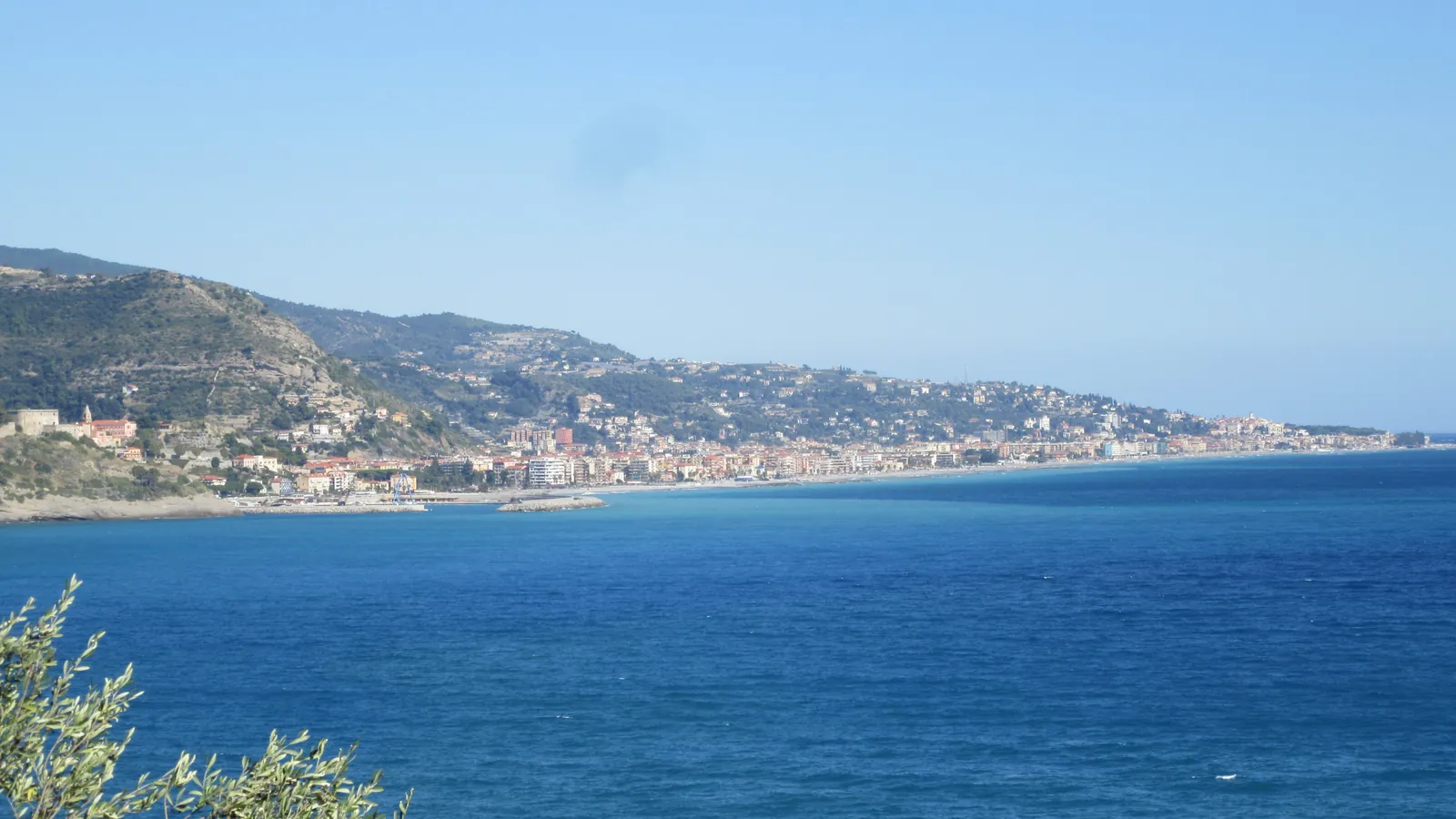
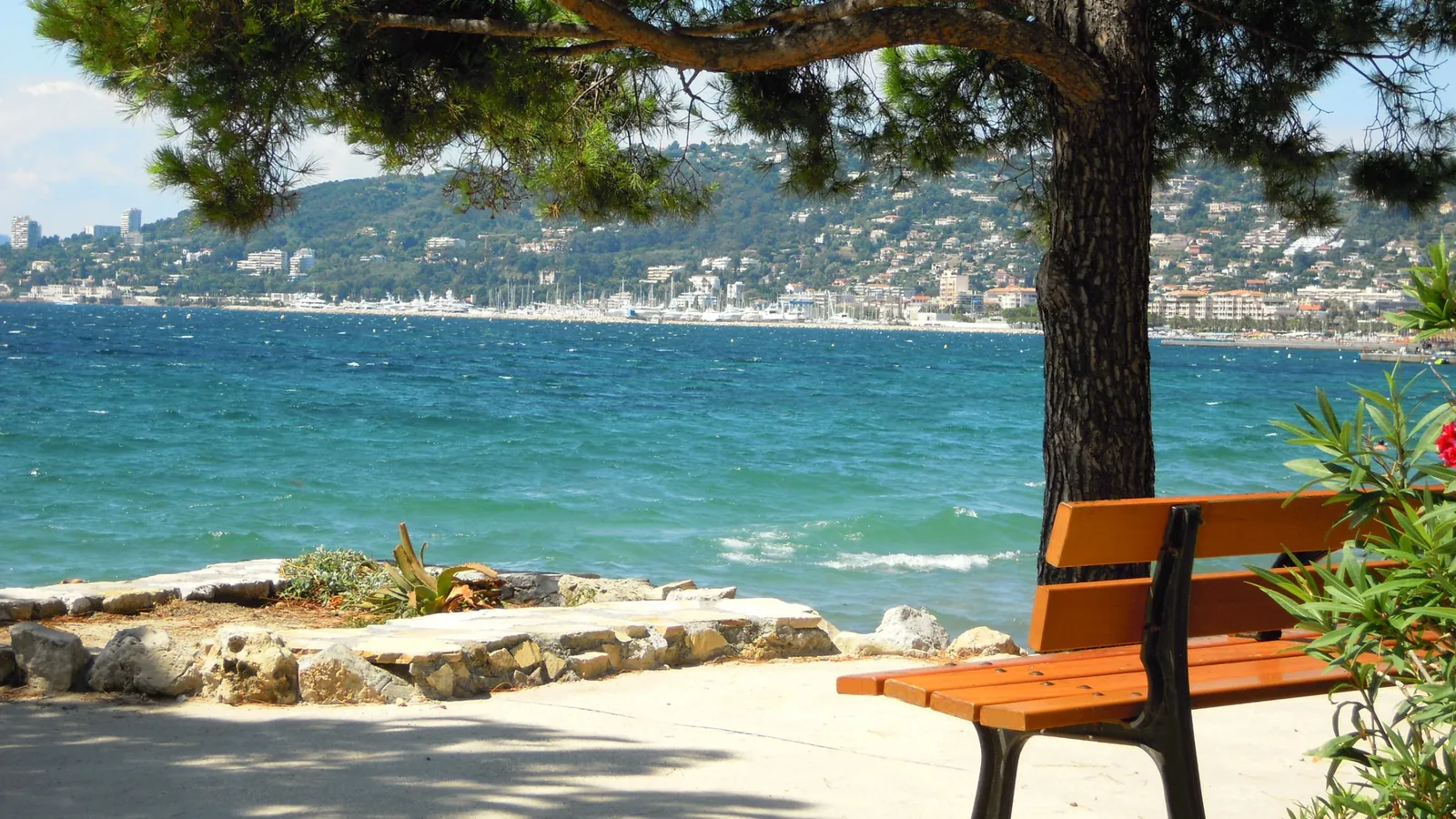
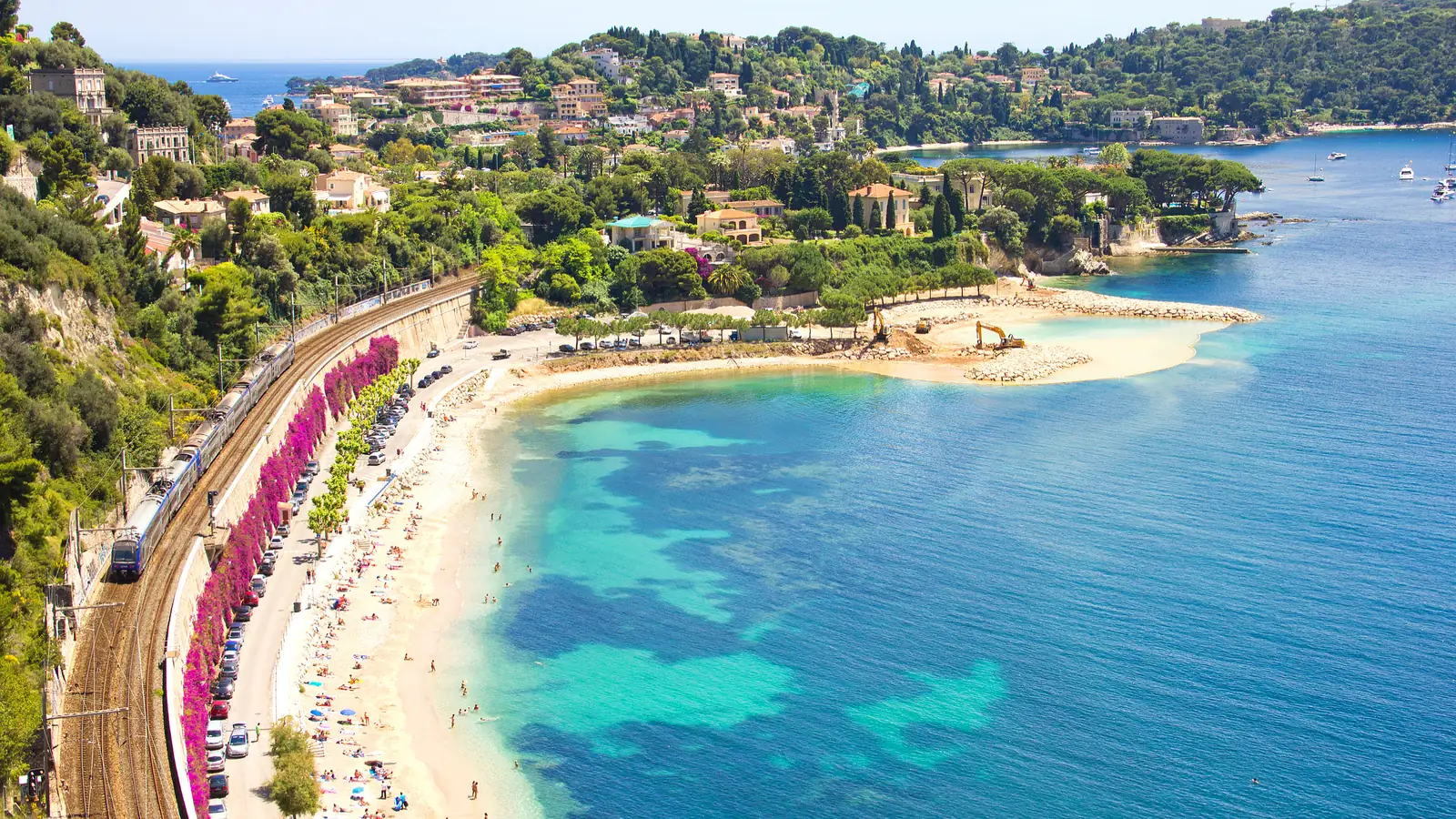
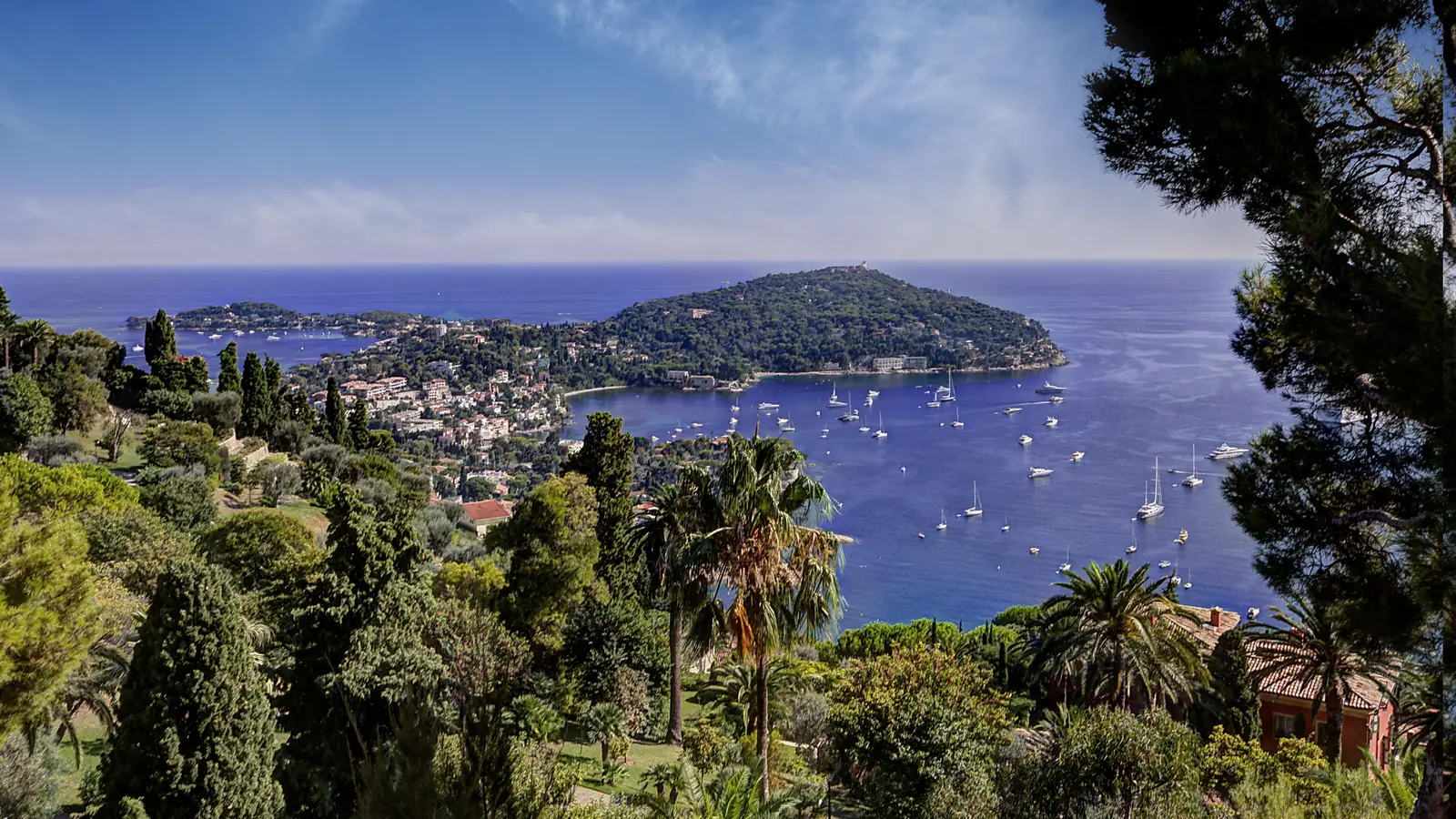
The Côte d'Azur offers a Mediterranean way of life in places such as Nice, Cannes, Antibes and the villages between them. Buyers often prioritize sea views, terraces and outdoor living, proximity to Nice Côte d'Azur Airport, privacy and reliable property management during their absences. See our French Riviera page for an overview of the coast, our comparison of the best places to buy on the French Riviera, and our guide to what €1 million, €2 million and €5 million can buy there. If you are torn between the capital and the coast, read our comparison of Paris and the French Riviera.
Provence and the rest of France
Buyers looking for more land, traditional houses or a quieter setting often look inland and beyond. Outside the main cities, maintenance, transport links and seasonal access become more important, and a property that is easy to enjoy in July may be harder to manage in January.
How a French purchase works
The sequence is broadly consistent, although timing varies with financing, documentation and the property itself.
Set your budget. Include the price, acquisition costs, currency conversion, financing, likely renovation and the running costs of ownership.
Find the property. Work with local professionals to identify suitable homes and arrange viewings.
Make an offer. A written offer states the price and conditions you propose. An accepted offer is the start of the formal process, not the end of it.
Sign the preliminary contract. Buyer and seller usually sign a compromis de vente or a promesse de vente, which sets the price, the timetable and the conditions, such as obtaining a mortgage. A deposit is normally paid at this stage and held in escrow.
Use the cooling-off period if needed. A non-professional buyer of residential property has a ten-day withdrawal period after the signed preliminary contract is notified, under article L271-1 of the French Construction and Housing Code. If you withdraw in time, the deposit is refunded in full.
Let the notaire complete the checks. The notaire verifies title, planning information, pre-emption rights and the legal requirements of the sale while conditions such as financing are met.
Sign the final deed. The acte authentique is signed before the notaire, the balance and costs are paid, and ownership transfers.
Read the preliminary contract carefully, ideally with independent advice in a language you are comfortable with. Its conditions and deadlines determine what happens if something goes wrong.
What does a notaire do?
A French notaire is a public legal officer appointed by the state, and every residential sale is completed in a deed authenticated by one. The notaire checks the seller's title and the property's legal situation, prepares the deed, collects and pays the taxes due, and registers the change of ownership.
The notaire is not a real estate agent and is not an advocate for one side. The parties may use a single notaire or each appoint their own, usually at no extra overall cost because the fee is shared. In a cross-border purchase, particularly one involving ownership structures, inheritance planning or rental income, independent legal and tax advice is worth having alongside the notaire's work.
How much does it cost to buy?
The price is only part of the total. For an existing (resale) property, most of the extra cost is collected by the notaire and is often loosely called "notaire fees," although the notaire keeps only a small share of it.
| Cost | What it is | Typical level for an existing property |
|---|---|---|
| Transfer taxes | Taxes paid to the département, the commune and the state | About 5.81% of the price where the département applies the standard 4.50% rate, or about 6.32% where it has adopted the higher 5% rate |
| Notaire's regulated fee | A fee set by national scale, plus VAT at 20% | A sliding scale that falls to 0.799% of the price above €60,000, before VAT |
| Disbursements and formalities | Land registry, documents and related costs | Usually a modest additional amount |
In practice, total acquisition costs for an existing home commonly come to around 7–8% of the price, depending on the location and the transaction. Agency fees may be added if they are payable by the buyer, and a mortgage brings its own costs.
The higher 5% departmental rate is a temporary measure introduced by France's 2025 finance law. It applies to deeds signed between April 1, 2025, and March 31, 2028, in départements that chose to adopt it. Paris applies it, while Alpes-Maritimes, home to Nice, Cannes and Antibes, has kept the standard rate. First-time buyers purchasing their main residence are exempt from the increase.
New-build property follows a different structure, because VAT is included in the price and the transfer taxes are much lower. Ask the notaire for an estimate of the costs for the specific transaction before you commit.
Can Americans get a French mortgage?
Non-resident buyers can obtain mortgages from French lenders, but criteria differ from those in the United States and vary from bank to bank. Lenders typically review income, existing debts, assets, employment, tax residence, the size of the down payment and the currency in which you are paid.
Expect a thorough documentation process, and do not assume that an offer will be available simply because your credit is strong at home. If the purchase depends on a loan, explore financing before you sign anything, and make sure the preliminary contract includes a financing condition.
Energy performance: the DPE
Every home sold in France must have a Diagnostic de Performance Énergétique, or DPE, which rates its energy and climate performance from A to G. A DPE is generally valid for ten years.
The rating affects more than heating bills. Under France's housing decency rules, homes rated G have been treated as non-decent for new rental leases since 2025, with F-rated homes following in 2028 and E-rated homes in 2034. If you might rent the property in the future, a weak rating can mean significant renovation work, so read the DPE and the other mandatory diagnostics carefully before making an offer.
Monaco is a separate country with its own laws. French rules such as the DPE, and the French purchase process described here, do not apply there.
Apartments, villas and the responsibilities of ownership
An apartment in a copropriété, the French form of co-ownership, comes with shared building charges, decisions taken at general meetings and, sometimes, planned major works that owners pay for. Ask for the minutes of recent meetings, the charges and the record of upcoming works.
A villa usually means direct responsibility for roofs, gardens, pools, drainage and building systems. Before buying, consider:
The rules of the co-ownership, where there is one
The maintenance history and the condition of major elements
Insurance and local property taxes
Utility and running costs
Permission requirements for renovation, particularly in protected areas
Property management and security while you are away
A beautiful home should also be a practical one to own from the other side of the Atlantic. Our guide to the real cost of owning property in France sets out the annual taxes, charges and upkeep.
Currency and cross-border planning
French purchases are priced and completed in euros, while most American buyers think in dollars. Exchange-rate movements between your first budget and the final signature can change the dollar cost noticeably, so plan how and when you will convert funds.
Owning property abroad also raises questions that are highly individual: U.S. reporting of foreign bank accounts, taxation of any rental income in both countries, the treatment of a future sale, and French inheritance rules, which differ from American ones. The United States and France have a tax treaty, but how it applies depends on your circumstances. A cross-border tax adviser and a lawyer should review these questions before you choose how to hold the property.
Personal use or investment?
A second home and an investment property call for different decisions. For personal use, location, comfort and ease of maintenance tend to come first. For investment, rental regulations, realistic occupancy, operating costs, taxation and long-term demand matter more.
Short-term rental rules can be restrictive and vary by city. Never assume that a property can be let to holiday visitors without checking the local requirements first.
Working with the right professionals
An international purchase usually involves several specialists, which may include local real estate professionals, the notaire, a mortgage broker, a surveyor or technical expert, a tax adviser, a currency specialist and a property manager. Coordinating them well is often what makes the process feel straightforward.
Final perspective
Buying property in France as an American is entirely achievable, and many buyers find the process more structured than they expected. Success comes from preparation: a clear sense of how you will use the home, a realistic budget that includes acquisition and running costs, and careful legal, financial and technical review of the specific property.
Whether you are drawn to Paris, the French Riviera or elsewhere in France, start with our guide to buying property in France and the France overview, or contact Asher to discuss your search.
Sources
Service-Public.gouv.fr, notaire fees and regulated scale (opens in a new tab), checked August 5, 2026.
Notaires de France, withdrawing from a preliminary sale contract (opens in a new tab).
French Ministry of Ecological Transition, the energy performance diagnostic (DPE) (opens in a new tab), updated December 19, 2025.
Transfer tax rates by département, as of June 2026: Toutsurmesfinances, DMTO by département (opens in a new tab), based on the 2025 finance law.
This guide is general information as of October 2026. It is not legal, tax or immigration advice. Confirm costs and requirements for your own purchase with the notaire and qualified advisers.
About the author
Asher McInerney
Asher McInerney has more than 20 years of real estate experience and has been licensed in California since 2005. He represents clients in San Francisco with Ground Matrix, Inc., and serves as International Director of Sales at Fracct Homes in France.
More about Asher