

French Riviera
Investing in French Riviera Property: What International Buyers Should Know in 2026
Riviera property can be a lifestyle asset, an income property or both, but 2026's rules on holiday rentals, energy ratings and taxes have changed the arithmetic. How to define the goal, choose the rental strategy, calculate a realistic yield and avoid the common mistakes.

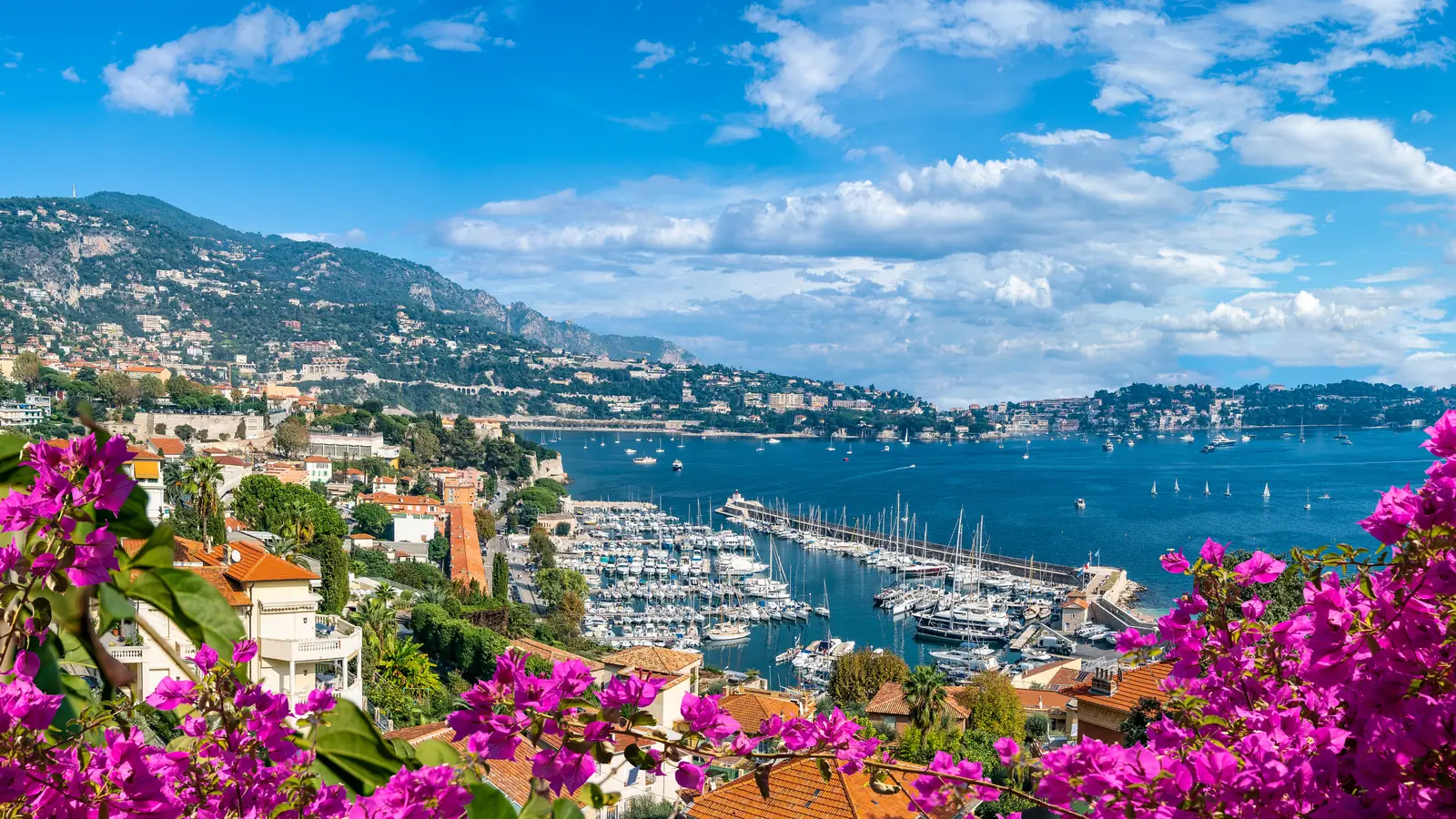
The French Riviera has attracted international property buyers for more than a century, and in 2026 it still does: limited coastline, a mild climate, an international airport and enduring global demand. But investing here is not the same as buying a holiday home. The rules on short-term rentals have tightened, energy ratings now decide which homes can be let, and the taxation of furnished rentals changed for 2025 income.
This guide explains how to approach a Riviera purchase as an investment: defining the goal, choosing a rental strategy, understanding the rules and taxes, and calculating a realistic return. It makes no prediction about future prices; nobody can responsibly promise appreciation.
Start with the goal
Three broad objectives lead to very different purchases.
A lifestyle asset that holds value. A home you use yourself, in a location with lasting demand, where any rental income is a bonus. The priorities are location, quality and ease of ownership.
An income property. A home bought mainly to rent, where the numbers have to work on their own. The priorities are rental demand, rental rules, running costs and taxes.
A mix of both. Personal use for part of the year and rentals for the rest. This is the most common plan, and the one most affected by the 2024–2026 rule changes.
Be honest about which one you are pursuing. A sea-view villa you will use every summer is rarely the best pure income property, and a small apartment optimized for rentals is rarely the home you dream of.
What the market looks like
Prices vary enormously along the coast. MeilleursAgents estimated average apartment prices on October 1, 2026, of €5,245 per square meter in Nice, €6,106 in Cannes and €6,488 in Antibes, rising to €14,784 on Saint-Jean-Cap-Ferrat, where houses averaged €23,152 per square meter. Within each town, the spread between ordinary and exceptional homes is wide. Our guide to what €1 million, €2 million and €5 million can buy on the French Riviera looks at prices in detail.
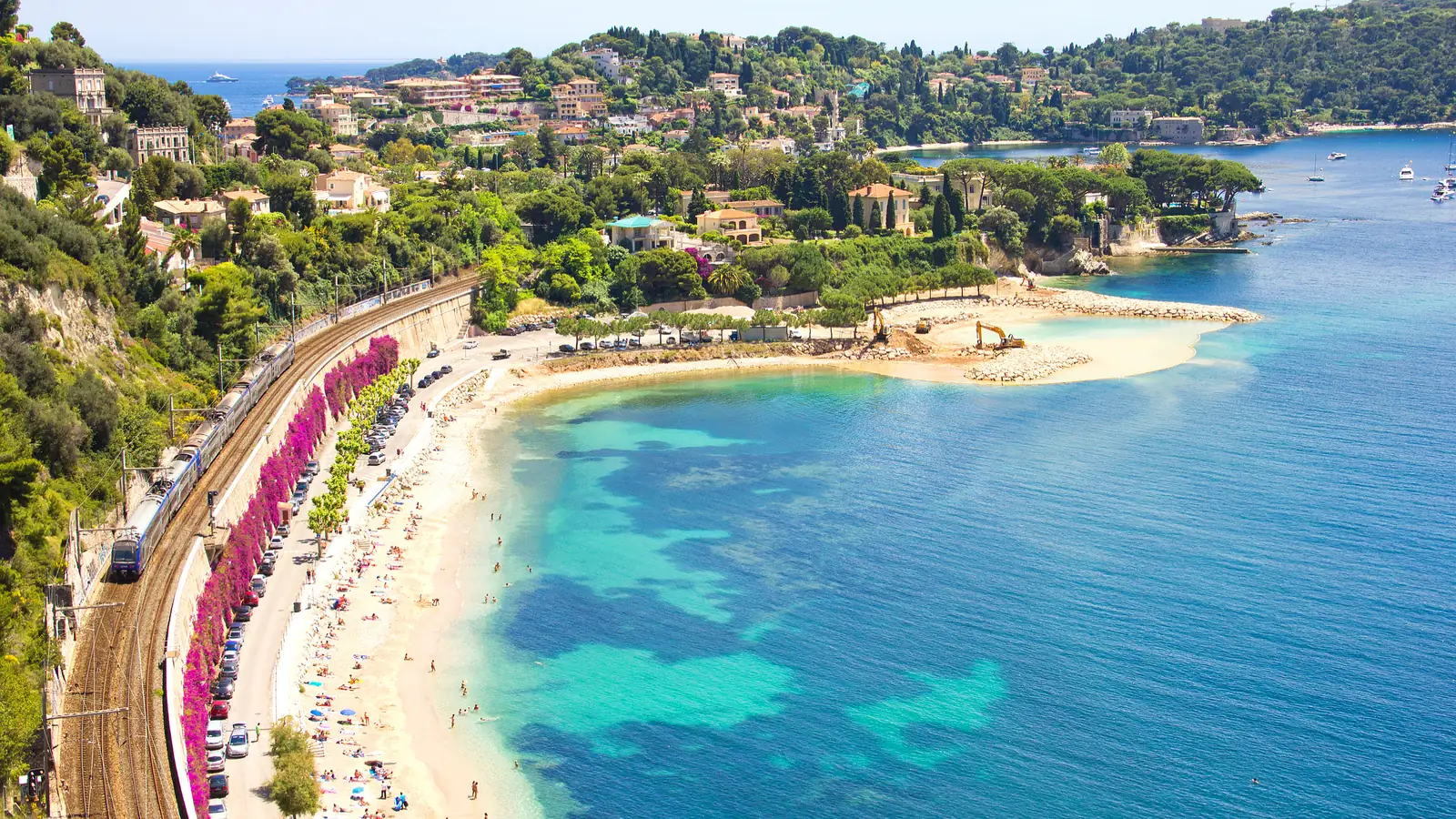
For an investor, the useful question is not the average but the comparable: what similar homes on the same street have sold for, which you can check on the government's DVF service, and what similar homes actually rent for.
The four rental strategies
| Strategy | Typical lease | What to know |
|---|---|---|
| Long-term unfurnished | Three years with an individual landlord | Stable, lower management; tenant protections are strong |
| Long-term furnished | One year, or nine months for students | Popular in cities; must meet furnishing standards |
| Mobility lease (bail mobilité) | One to ten months, furnished | For tenants in training, studies or work assignments |
| Furnished tourist rental | Nights or weeks | Highest gross income potential, but the most regulated and the most work |
Holiday rentals: the rules in 2026
The national law of November 19, 2024, on furnished tourist rentals changed the landscape. Every furnished tourist rental must be registered and display its registration number in every listing. Communes can lower the number of nights a main residence may be let, and co-ownership rules can forbid tourist rentals in a building.
Nice is a good example of how local rules now shape the market:
Main residence. No change-of-use authorization is needed to rent out your main residence for fewer than 90 days a year.
Second homes. Individuals need a temporary change-of-use authorization, valid for a maximum of three years, non-renewable and non-transferable. Beyond that, the compensation regime applies, which in practice means converting other commercial space into housing.
Quotas. New rules adopted in June 2026 and applying from September 1, 2026, cap new authorizations each year in four zones of the city.
Tourist tax. Owners must declare stays for the taxe de séjour, which carries an additional 34% surcharge in the Alpes-Maritimes.
Other communes set their own rules. Check the commune and the building before you assume any holiday-rental income.

Energy ratings and rentals
Under France's housing decency rules, homes rated G have been treated as non-decent for new rental leases since 2025, with F-rated homes following in 2028 and E-rated homes in 2034. Nice's change-of-use rules also require a valid energy diagnostic rated A to E, tightening to A to D from 2034. A low rating can mean significant renovation before a home can be let, so read the DPE before you make an offer.
Taxes on rental income
Furnished rentals under the micro regime
From 2025 income, the simplified micro-BIC regime became less generous for tourist rentals:
| Type of furnished rental | Revenue cap for the micro regime | Flat allowance for expenses |
|---|---|---|
| Unclassified tourist rental | €15,000 | 30% |
| Classified tourist rental | €77,700 | 50% |
| Long-term furnished rental | €77,700 | 50% |
Above the caps, or by choice, owners use the actual-expenses regime, which deducts real costs and allows depreciation. The 2025 finance law also changed how depreciation taken by non-professional furnished landlords (LMNP) is treated when the property is sold, which can increase the taxable capital gain.
Non-residents
Rental income from French property is taxable in France. Non-residents are generally subject to a minimum income tax rate of 20%, or 30% on the portion of net French-source income above a threshold, unless they can show a lower worldwide average rate. Social charges apply to property income at 17.2%, or 7.5% for owners covered by an EU, EEA, Swiss or UK social security system. Americans also report the income in the United States, where treaty provisions and credits are designed to limit double taxation.
Holding and selling
The real estate wealth tax (IFI) applies when net taxable real estate assets exceed €1.3 million on January 1. Capital gains on a sale by a non-resident are generally taxed at 19% plus social charges, with reductions for the length of ownership. Our guide to the real cost of owning property in France covers local taxes and running costs.
How to calculate a realistic return
Start with gross yield, then work down to what you actually keep.
The method matters more than the result. Always compare a property's net return with what you could earn elsewhere, include the purchase costs in the investment, and stress-test the figures for vacancy, rule changes and repairs.
Which properties tend to hold their appeal
No property type guarantees performance, but buyers and tenants consistently look for:
Location close to daily life: shops, transport, the sea and, for year-round rentals, schools and work
Year-round towns such as Nice and Antibes, where demand does not disappear in winter
Outdoor space, light and views, which are hard to replicate
Good energy ratings, which keep a property rentable
Practical features such as an elevator, parking and storage
Well-run buildings with healthy co-ownership finances and no surprise works
Risks to weigh
Regulation. Holiday-rental rules have tightened and may tighten further.
Seasonality. Tourist demand concentrates in summer; winter occupancy can be low outside the cities.
Costs. Charges, taxes, upkeep and management reduce gross income substantially.
Liquidity. Exceptional villas have a smaller pool of buyers and can take longer to sell.
Currency. For buyers earning in dollars, exchange rates change both the cost and the return.
Tax changes. The 2025 changes to furnished rentals show how quickly the arithmetic can shift.
An investor's checklist
Define the goal: lifestyle, income or a mix
Check recorded sale prices on DVF and current rents for similar homes
Confirm the rental rules for the commune and the building
Read the DPE and the other mandatory diagnostics
Review co-ownership charges, decisions and planned works
Build a net-yield calculation with conservative assumptions
Take cross-border tax advice before choosing how to hold the property
Plan management, whether by an agency or a trusted local contact
Consider resale from the start: who will buy this home from you?
Common mistakes
Buying on holiday-rental projections without checking local rules
Using gross yield instead of net yield after all costs
Ignoring the energy rating until a tenant cannot be found
Underestimating management from abroad
Choosing a structure for tax reasons alone without considering inheritance and resale
Frequently asked questions
Is French Riviera property a good investment?
It can be, depending on the goal, the location, the property and the price paid. The Riviera's appeal rests on limited supply and international demand, but rental rules, costs and taxes have tightened. Nobody can promise future appreciation, so judge each property on its own numbers.
Can I rent out my Riviera property on short-term rental platforms?
Only within the rules. Every tourist rental must be registered, communes can impose limits and authorizations, and buildings can forbid tourist lets. In Nice, second homes need a temporary change-of-use authorization, subject to quotas in several zones.
How is rental income taxed for non-residents?
It is taxable in France, generally at a minimum rate of 20%, or 30% above a threshold, plus social charges of 17.2%, or 7.5% for owners covered by an EU, EEA, Swiss or UK social security system. Americans also report it in the United States.
What rental yield can I expect on the Riviera?
It depends entirely on the property, the price, the rent and the costs. Calculate net yield after charges, taxes, management and vacancy rather than relying on general figures.
Final perspective
The Riviera rewards investors who buy for durable qualities, location, light, outdoor space and a sound building, and who build their plans on the rules and costs as they are, not as they were. For many international buyers, the most successful investment is a home that is a pleasure to use, holds its appeal for future buyers and earns income where the rules allow it.
To discuss French Riviera property opportunities, explore our French Riviera page, current properties in France and our guide to the best places to buy on the French Riviera, or contact Asher.
Sources
MeilleursAgents, price estimates as of October 1, 2026: Nice (opens in a new tab), Cannes (opens in a new tab), Antibes (opens in a new tab) and Saint-Jean-Cap-Ferrat (opens in a new tab).
Métropole Nice Côte d'Azur, owner's guide to furnished tourist rentals in Nice (opens in a new tab), updated June 4, 2026, and notice on change-of-use quotas (opens in a new tab), August 2026.
SOCIC, the Le Meur law and the micro-BIC regime for 2025 income (opens in a new tab), April 30, 2026.
Richelieu International, what the 2026 finance law changes for non-residents (opens in a new tab).
French Ministry of Ecological Transition, the energy performance diagnostic (DPE) (opens in a new tab).
French Ministry of the Economy, the DVF sale-price service (opens in a new tab).
This guide is general information as of October 2026. It is not investment, tax or legal advice and makes no prediction of future prices or returns.
About the author
Asher McInerney
Asher McInerney has more than 20 years of real estate experience and has been licensed in California since 2005. He represents clients in San Francisco with Ground Matrix, Inc., and serves as International Director of Sales at Fracct Homes in France.
More about Asher