

French Riviera
How to Choose a Buyer's Agent on the French Riviera (and What It Costs)
Most French agents work for the seller. A buyer's agent, or property finder, works for you, under rules that are stricter than many buyers realize. How buyer representation works on the Riviera, what it costs, who pays, and how to choose well.

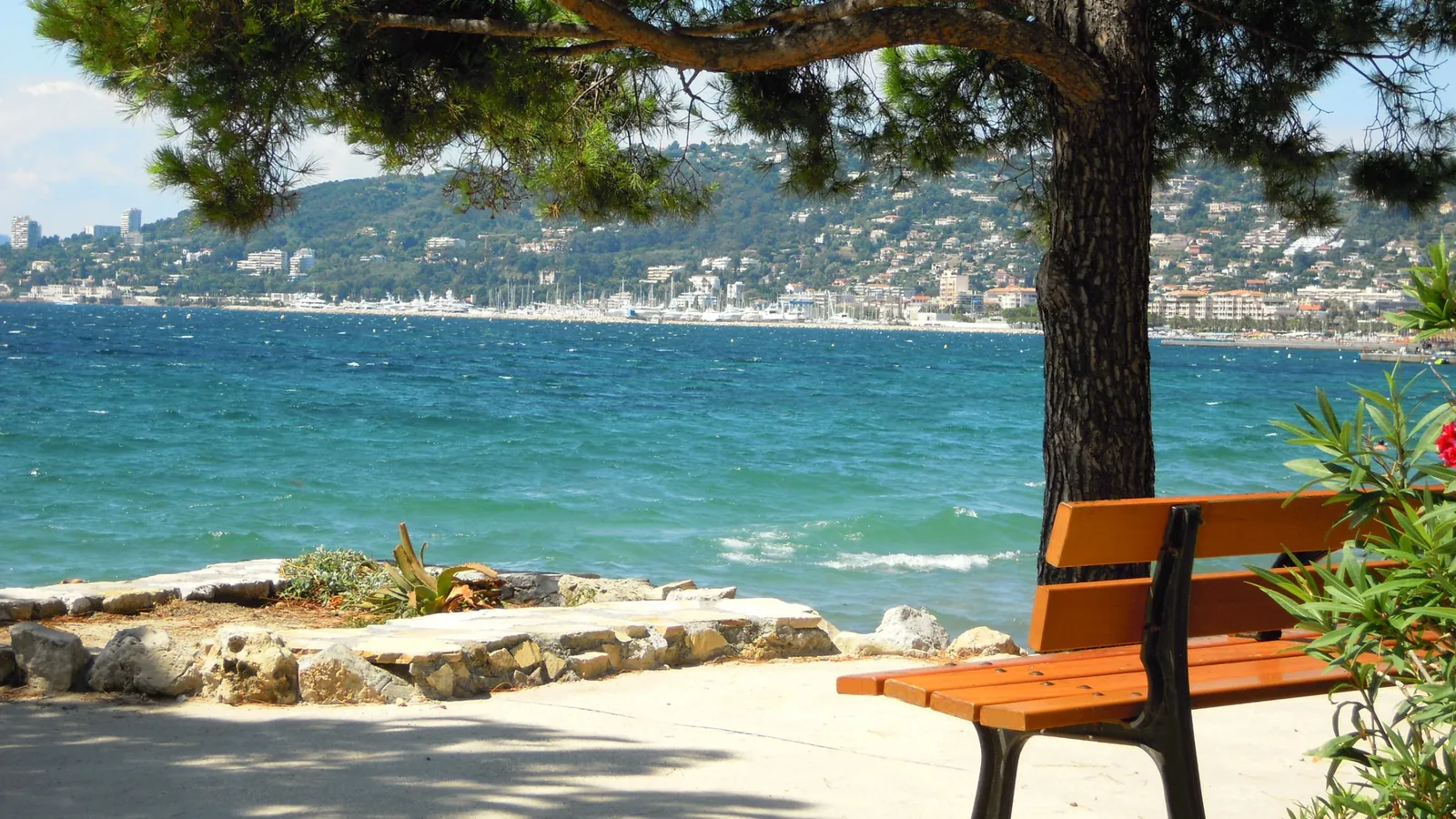
On the French Riviera, most real estate agents work for the seller. A buyer's agent, often called a property finder or chasseur immobilier, works for you instead: under a written search mandate, holding the same professional card as any agent, and usually paid by the buyer, typically 2% to 6% of the price depending on the property and the scope of the search, according to ANIL, France's national housing information agency.
For international buyers, that difference matters. This guide explains how agents are regulated in France, how buyer representation works, what it costs and how to choose the right person to search on your behalf.
How real estate agents work in France
French real estate agents are regulated by the Hoguet law of January 2, 1970. Two rules shape everything:
The professional card. Anyone who negotiates property sales for others must hold a carte professionnelle, issued by the president of the local Chamber of Commerce and Industry for three years, with conditions of competence and integrity.
The written mandate. An agent must hold a written, signed mandate before doing any work as an intermediary or negotiator. Most mandates on the Riviera come from sellers: the agency is hired to sell, and its duty runs to the seller.
That is why many buyers who walk into an agency are, in practice, dealing with the seller's representative. Nothing about that is improper, but it means no one in the transaction is working only for the buyer unless the buyer appoints someone.
What a buyer's agent does
A buyer's agent, or property finder, reverses the usual relationship. The buyer sets out what they want, sometimes in a detailed brief, and the agent searches the market on their behalf: listed homes from every agency, and homes that are not publicly advertised. The search mandate must be written and must specify the mission, the fee and who pays it. Mandates commonly run for about three months, according to ANIL.
Depending on the agreement, a buyer's agent can:
Define the search with you and narrow the towns and neighborhoods
Screen listings and visit on your behalf, which matters when you live abroad
Assess price against recent recorded sales
Negotiate the price and terms
Coordinate the notaire, diagnostics, financing and the steps to closing
What it costs, and who pays
| Question | How it works in France |
|---|---|
| Typical fee | About 2% to 6% of the price, depending on the property and scope (ANIL) |
| Who pays | Usually the buyer, as set out in the search mandate |
| When it is paid | Only once the purchase is completed |
| On top of the price? | Generally yes, in addition to the purchase price |
| Can fees be shared? | Yes: a buyer's agent and the seller's agency can agree to share a commission |
Two further rules protect buyers. No money can be demanded or paid to an agent before the transaction is concluded, and for a sale the commission is paid after the final deed is signed before the notaire, according to the DGCCRF, France's consumer protection authority. And when agency fees on a listing are payable by the buyer, the advertisement must show them including tax, as a percentage of the price excluding fees.
Do you need a buyer's agent?
Not legally. Many buyers purchase through the seller's agency, and the notaire, who is required for every sale, protects the legality of the transaction. A buyer's agent is most useful when:
You live abroad and cannot visit often
You do not speak French or know the local market
You are looking for a specific type of property, such as a sea-view villa or an apartment in a particular building
The budget is large enough that negotiation and due diligence carry real value
You want access to homes that are not openly advertised
How to choose a buyer's agent
Check the professional card. Ask for the card number and the issuing Chamber of Commerce. Agents must also hold professional liability insurance and, where they handle funds, a financial guarantee.
Read the mandate. It should state the mission, the fee, who pays it and the term. Do not sign anything vague.
Ask how they search. Do they cover all agencies and private sellers in your target towns, and how do they handle homes offered by agencies they work with?
Ask about shared fees. If the agent will also share a commission with the seller's agency, you should know.
Look for local depth. Rules on renting, planning and building differ by commune; ask how they check them before an offer.
Language and availability. Clear English, and someone who answers when it matters.
Red flags
Asking for money before the purchase is completed
No written mandate, or a mandate without a stated fee
No professional card, or reluctance to show it
Promising rental income without checking the commune's and the building's rules
Pushing a single property hard before you have seen the market
Monaco is different
Monaco is a sovereign country with its own rules, its own professionals and its own transaction process. French cards and French practice do not apply there. Our guide to choosing a Monaco property advisor versus a French Riviera agent explains the difference.
How Asher works with buyers
Asher gives American and international buyers one English-speaking point of contact for a Riviera purchase: defining the search, choosing the right town, reviewing properties and the steps to signing before the notaire. In France, Asher is International Director of Sales at Fracct Homes, and he works alongside independent professionals at each step. Our French Riviera page answers the questions buyers ask most about agents, fees and the purchase process.
Frequently asked questions
What is a property finder in France?
A property finder, or chasseur immobilier, is a real estate professional who searches for a property on the buyer's behalf, under a written search mandate. They must hold the same professional card as any agent.
How much does a buyer's agent cost on the French Riviera?
Fees commonly range from about 2% to 6% of the price, depending on the property and the scope of the search, according to ANIL. They are usually paid by the buyer and due only when the purchase is completed.
Who pays agency fees in France?
It depends on the mandate. A listing must say who pays the agency fees. With a buyer's agent, the buyer usually pays, though fees can be shared with the seller's agency.
Can I buy on the Riviera without an agent?
Yes. An agent is not legally required, but the final deed must be signed before a notaire.
Final perspective
On the Riviera, the question is not whether a professional is involved but whom they work for. Knowing how mandates, cards and fees work lets you decide whether you need someone on your side, and choose them with confidence.
To discuss a Riviera search, contact Asher, or read our guides to buying property in France as an American and the best places to buy on the French Riviera.
Sources
DGCCRF (Ministry of the Economy), the rules that govern real estate agents (opens in a new tab).
ANIL, real estate agents working for buyers: property finders (opens in a new tab).
This guide is general information as of October 2026, not legal advice.
About the author
Asher McInerney
Asher McInerney has more than 20 years of real estate experience and has been licensed in California since 2005. He represents clients in San Francisco with Ground Matrix, Inc., and serves as International Director of Sales at Fracct Homes in France.
More about Asher