

Paris
Buying an Apartment in Paris in 2026: Prices, Neighborhoods, Fees & What to Know
Paris apartments are priced by the square meter, but floor, light, building and paperwork decide what one is really worth. A practical guide to prices, arrondissements, co-ownership documents, costs and the mistakes buyers make.

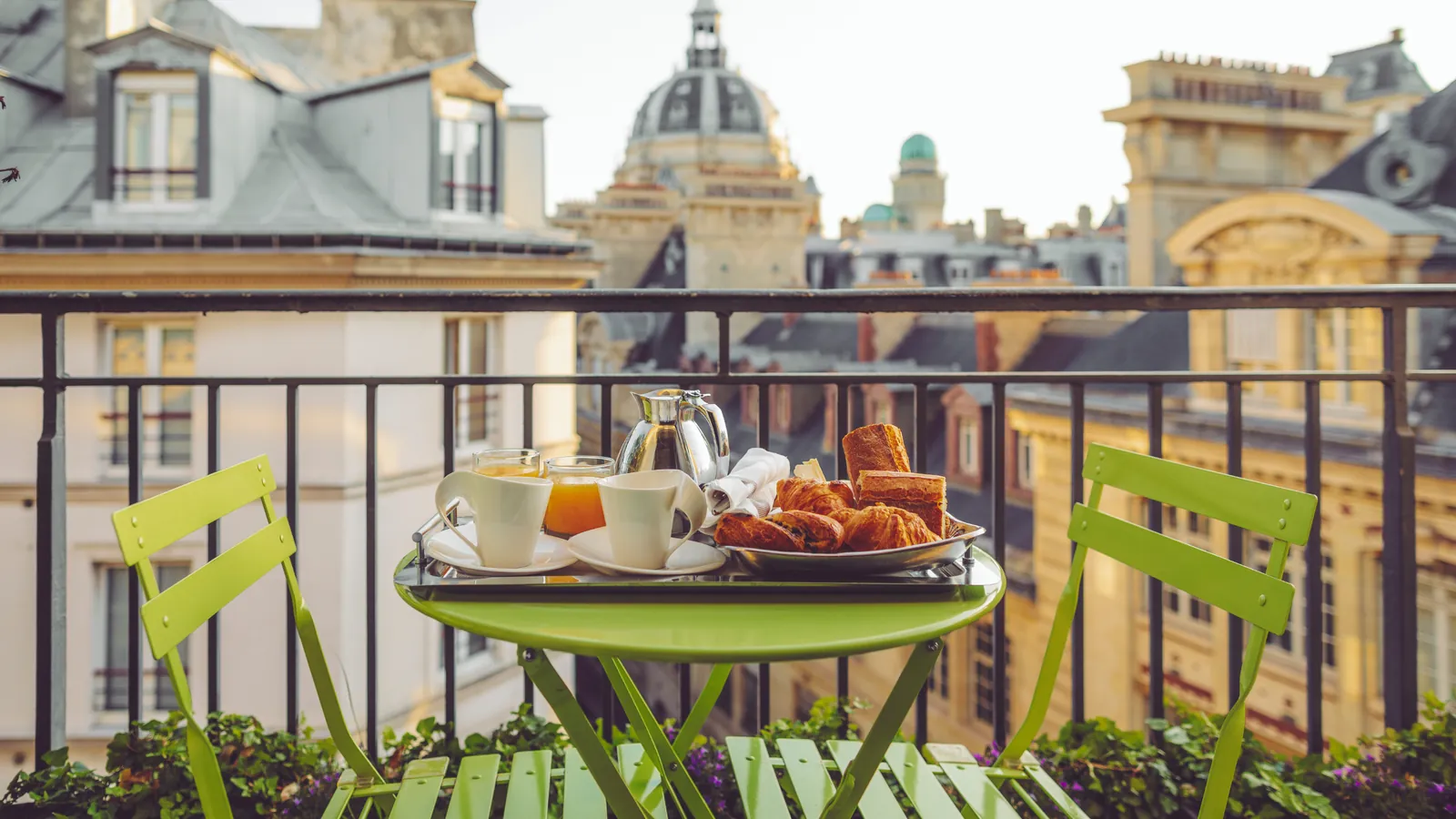
Buying an apartment in Paris is, at first glance, a matter of arithmetic: Parisians talk about property in euros per square meter, and every listing shows its floor area. In practice, two apartments with the same surface on the same street can be worth very different amounts. Floor, light, elevator, building condition, energy rating and the co-ownership's finances all shape value, and much of the information that matters sits in documents rather than in the listing photos.
This guide explains how the Paris apartment market works in 2026, how to compare neighborhoods, what to read before you sign and what the purchase really costs.
Paris apartment prices in 2026
According to the Notaires du Grand Paris, existing apartments in Paris sold at €9,520 per square meter as of May 2026, almost unchanged from a year earlier (+0.1%). Activity, meanwhile, picked up: the notaries reported that sales of existing homes in Paris rose 20% year over year in the second quarter of 2026, the strongest increase in the Île-de-France region.
Read these figures as a citywide reference. Within Paris, prices differ substantially between arrondissements, and within an arrondissement between streets, buildings and floors. To see what comparable homes actually sold for, the French government's DVF service publishes recorded sale prices from the past five years, searchable by address.
Choosing an arrondissement
Paris is divided into 20 arrondissements, spiraling out from the center. Each has its own rhythm, architecture and mix of residents. A few broad patterns help buyers orient themselves:
The historic center and Left Bank (the 1st to 7th) concentrate classic architecture, museums, gardens and the most recognizable addresses, with smaller supply and a premium for character.
The western arrondissements (the 8th, 16th and 17th) offer wide avenues, larger Haussmann apartments and a calmer, residential feel.
The eastern and northern arrondissements (from the 10th, 11th and 12th to the 18th, 19th and 20th) are more varied, younger and livelier, with a wider range of building types and budgets.
The southern arrondissements (the 13th, 14th and 15th) are largely residential, with good transport, schools and green space.
If you are still deciding between the capital and the coast, our comparison of Paris and the French Riviera sets the two side by side. Our guide to the best arrondissements for international buyers compares them in detail. Within Paris, rather than chasing a postcode, decide what your days look like: walking to work or to a school, markets and cafés on your street, quiet evenings, or proximity to a train station for weekends away. Then look at a few specific streets.
Price per square meter, and why it is only the start
The square-meter figure in a listing is normally the Loi Carrez area: the private floor area of an apartment in a co-owned building, measured inside the walls and excluding parts lower than 1.80 meters, as well as cellars, garages and parking spaces. The seller must state it. If the actual Carrez area turns out to be more than 5% smaller than the area stated in the deed, the buyer can ask for a proportional price reduction, within one year of signing.
The area tells you how much space you are buying. It does not tell you what that space is worth.
An example: two 60-square-meter apartments
Imagine two apartments of 60 square meters each, in the same arrondissement.
The first is on the fifth floor of a well-maintained stone building with an elevator. It faces south over the street, has a small balcony, double-glazed windows and a DPE energy rating of C. The co-ownership has a healthy works fund and no major works pending.
The second is on the ground floor of a building without an elevator, overlooking a dark courtyard. It has an energy rating of F, and the minutes of the last general meeting show that a costly facade and roof renovation has been voted, to be paid by the owners over the next two years.
Both are "60 square meters," but buyers will pay very different prices for them. Light, outlook, height, the elevator, outdoor space and energy performance raise the first apartment's value; the second carries a lower rating that limits renting in the coming years and a known bill for building works. That is why comparisons must be made between genuinely similar apartments, not just similar surfaces.
What to look for in a Paris building
Floor and elevator
Higher floors usually bring more light and less noise, and are valued accordingly, provided there is an elevator. Without one, a fifth or sixth floor is a daily climb and harder to resell. Ground-floor apartments are generally less sought after unless they open onto a garden or courtyard.
Balconies and outdoor space
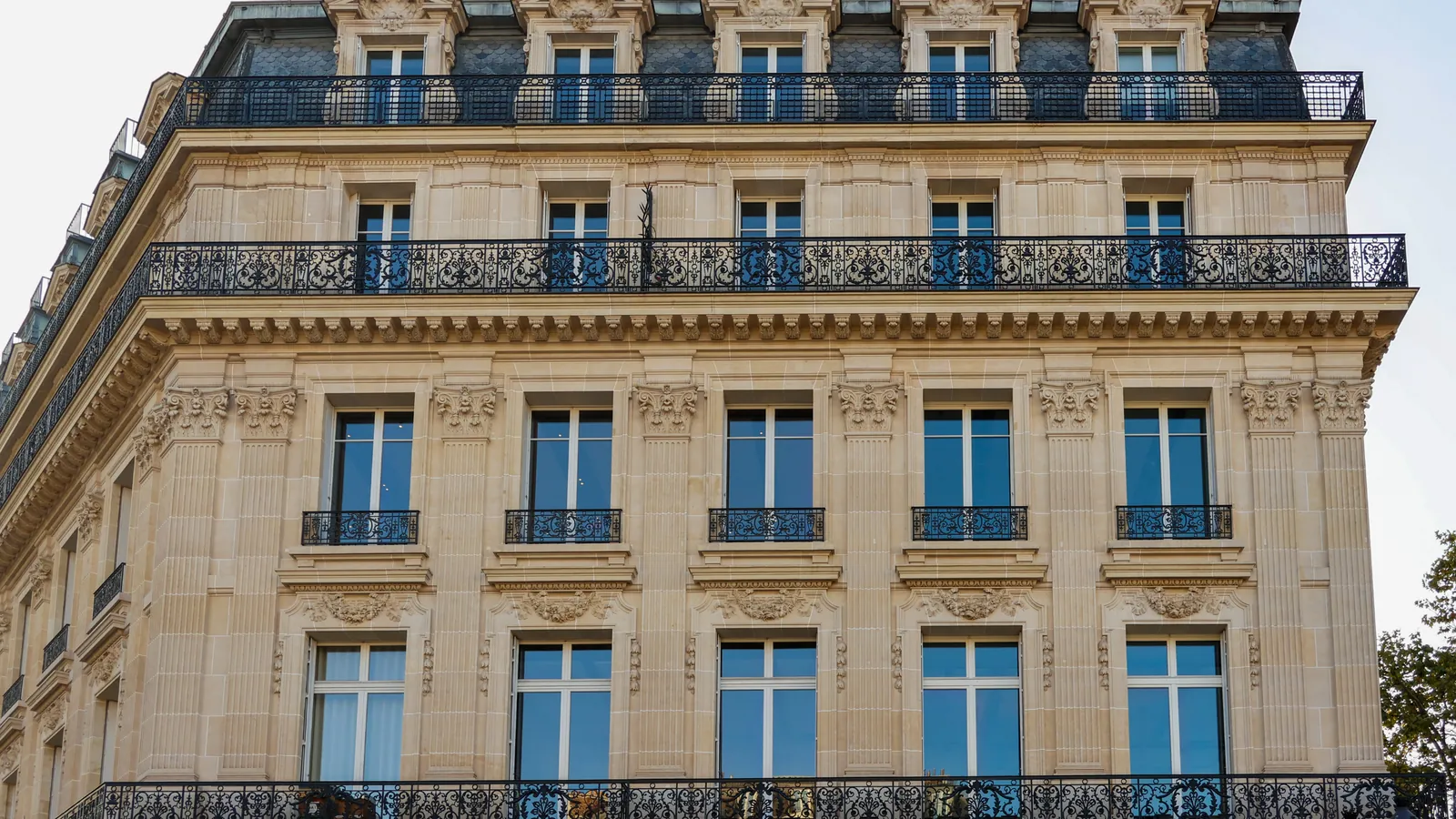
Outdoor space is rare in Paris. A balcony, terrace or garden adds significant appeal, although a decorative narrow balcony on a Haussmann facade is not the same as a usable terrace.
Older buildings
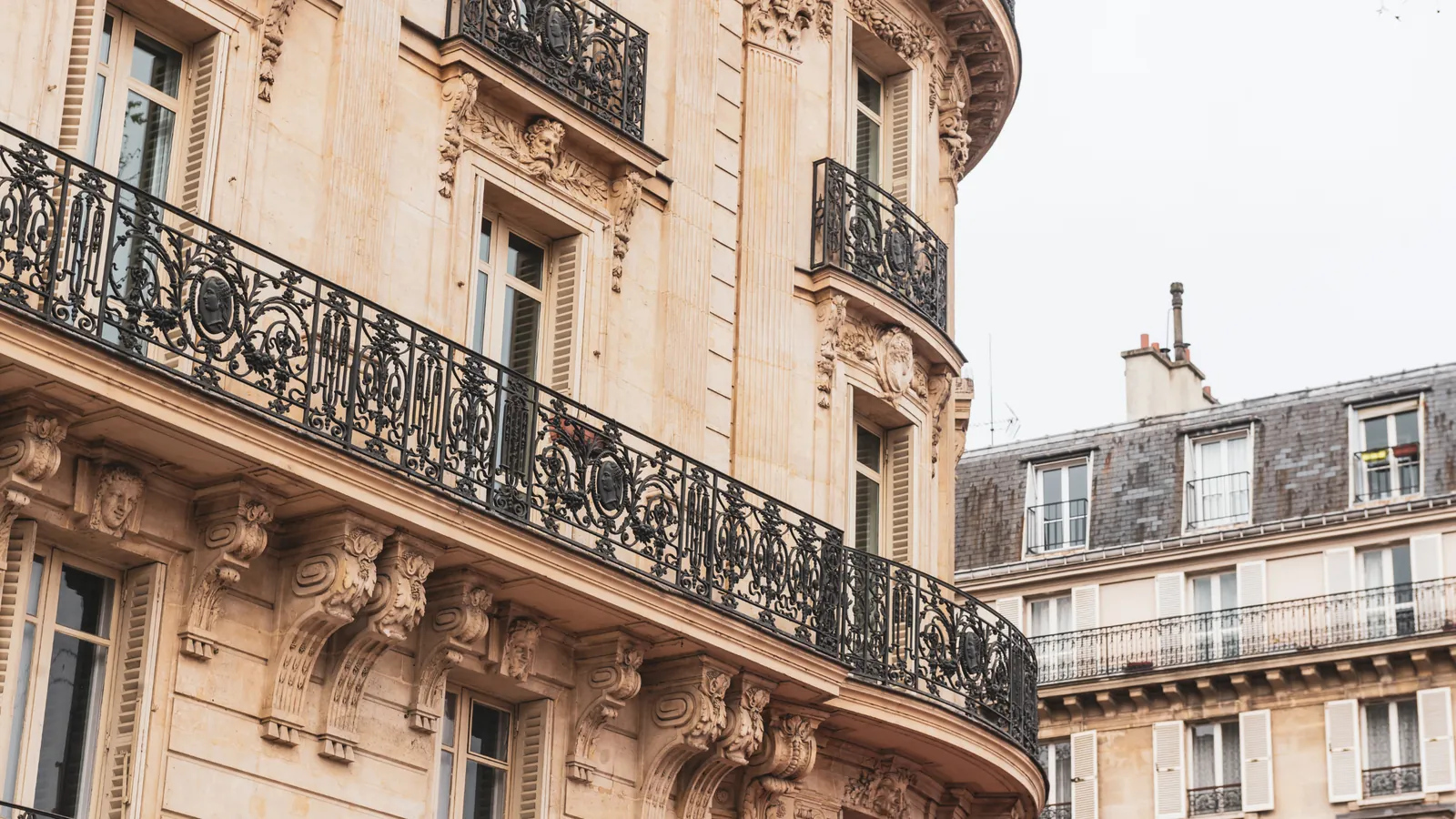
Much of Paris's housing predates World War II. Old buildings bring character, high ceilings and moldings, and sometimes aging pipes, wiring, roofs or courtyards. Ask about recent and planned works and read the technical reports.
Energy performance
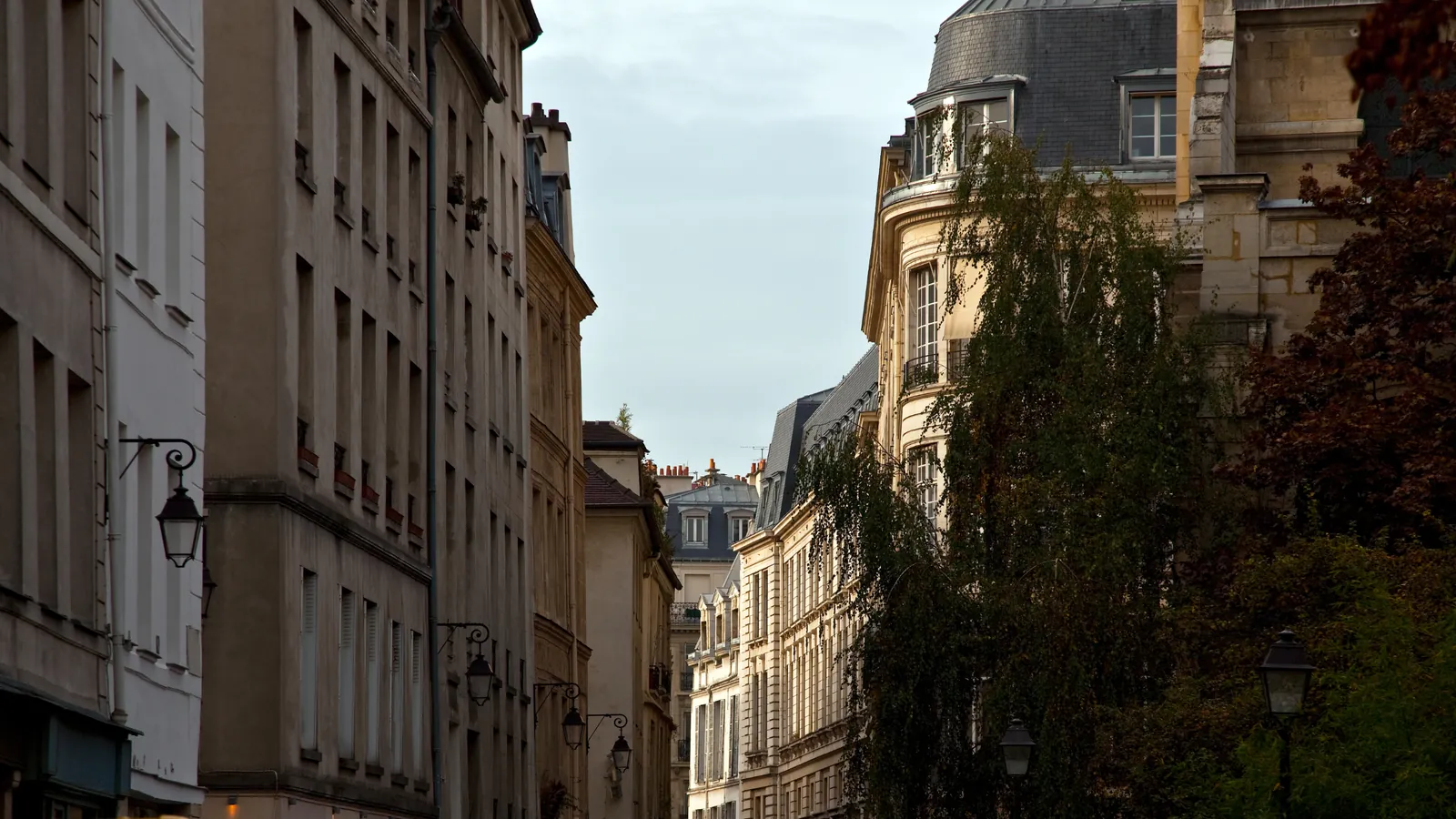
Every apartment sold must have a DPE energy rating from A to G. Beyond heating costs, the rating matters for renting: homes rated G have been treated as non-decent for new rental leases since 2025, F-rated homes follow in 2028 and E-rated homes in 2034. Improving the rating of an apartment often depends on works decided by the whole building.
Renovation restrictions
Many Paris buildings sit in protected areas. Changes to facades, windows, rooftops or common parts usually need permission, sometimes the approval of the Architectes des Bâtiments de France, and works on common parts need the co-owners' agreement. Interior renovation is freer, but structural changes, plumbing and noise rules still apply. Get advice before you buy an apartment on the assumption that you can transform it.
Short-term rental rules
Since January 1, 2025, Paris has limited the renting of a main residence as a furnished tourist rental to 90 days a year, down from 120. Renting a second home to tourists is far more restricted. Do not buy in Paris on the assumption of holiday-rental income. Our guide to buying a pied-à-terre in Paris explains second-home taxes and rental rules.
The co-ownership documents to read before you sign
In a Paris apartment, you buy a share of a building. Before or at the signing of the preliminary contract, the seller must provide the documents that describe the co-ownership, including:
The co-ownership summary sheet (fiche synthétique)
The co-ownership rules and the description of the lots
The minutes of the last three general meetings
The pré-état daté, a financial statement showing what the seller owes, what the buyer will owe and the share of the works fund attached to the apartment
The building's global technical diagnosis, where one exists, and the multi-year works plan, which became compulsory for buildings of 50 lots or fewer from January 1, 2026
The Loi Carrez measurement certificate
If documents arrive late, the buyer's ten-day withdrawal period starts later. Read the meeting minutes with particular care: they reveal disputes, unpaid charges and voted works.
What the purchase costs
For an existing apartment, the costs on top of the price are mostly transfer taxes collected by the notaire. Paris applies the temporary higher departmental rate introduced by France's 2025 finance law, so transfer taxes total about 6.32% of the price for deeds signed between April 1, 2025, and March 31, 2028. First-time buyers purchasing their main residence are exempt from the increase and pay about 5.81%.
The notaire's regulated fee, plus VAT, and some disbursements come on top. Agency fees may also apply, depending on the mandate; once you own the apartment, the annual taxes and charges are covered in our guide to the cost of owning property in France. In total, buyers of existing apartments in Paris should plan for roughly 7–8% of the price in acquisition costs, before agency fees; ask the notaire for an estimate for your transaction.
Financing for international buyers
French banks lend to non-residents, but criteria vary by lender. Expect a thorough review of income, assets, existing debts, tax residence and the currency you earn in, and a larger down payment than many American buyers are used to. If you need a mortgage, make sure the preliminary contract includes a financing condition. Our guide to buying property in France as an American covers the full process, from offer to final deed.
Common mistakes
Comparing price per square meter alone. Floor, light, elevator, condition and energy rating can outweigh size.
Skipping the meeting minutes. Voted works can mean large bills after you buy.
Underestimating the DPE. A low rating affects running costs, renovation plans and rental options.
Planning a renovation before checking the rules. Protected areas and co-ownership approvals can limit what you can change.
Counting on holiday rentals. Paris rules are strict and enforced.
Leaving financing to the end. Non-resident mortgages take time.
A practical buyer checklist
Define your arrondissements by daily life, not reputation
Check recent sales on DVF for the streets you like
Visit at different times of day, including in the evening
Confirm the Carrez area, floor, elevator and outlook
Read the DPE and the other mandatory diagnostics
Read the last three meeting minutes and the multi-year works plan
Check the pré-état daté, charges and works fund
Ask what renovation would require permission
Arrange financing before you sign, with a financing condition
Ask the notaire for a cost estimate
Frequently asked questions
How much does an apartment in Paris cost per square meter?
The Notaires du Grand Paris reported €9,520 per square meter for existing apartments as of May 2026, citywide. Prices vary widely by arrondissement, street, floor and condition.
Can Americans buy an apartment in Paris?
Yes. Foreign buyers face no general restriction in France. Buying does not grant a right to live in France; see our guide to moving from the USA to France.
What are notaire fees for a Paris apartment?
For an existing apartment, total acquisition costs commonly come to around 7–8% of the price, most of it transfer taxes, which in Paris total about 6.32% (about 5.81% for eligible first-time buyers of a main residence).
What is the Loi Carrez?
It requires the seller to state the private floor area of an apartment in a co-owned building. If the real area is more than 5% smaller than stated, the buyer can claim a price reduction within one year.
Final perspective
Paris rewards careful buyers. The right apartment is not only the right size in the right arrondissement; it is in a well-run building, with light, a sound energy rating, documents that hold no surprises and a price that reflects all of that.
See our Paris page for current opportunities and neighborhood guidance, read about buying property in France, or contact Asher to discuss your Paris search.
Sources
Notaires du Grand Paris, Île-de-France market, March to May 2026 (opens in a new tab), published July 30, 2026.
Notaires du Grand Paris, second quarter 2026 (opens in a new tab), published September 8, 2026.
Notaires du Grand Paris, the Loi Carrez surface (opens in a new tab).
Weblex, documents to provide when selling a co-ownership lot (opens in a new tab).
Ville de Paris, the 90-day limit on furnished tourist rentals (opens in a new tab).
French Ministry of Ecological Transition, the DPE (opens in a new tab).
Transfer tax rates by département: Toutsurmesfinances (opens in a new tab).
This guide is general information as of October 2026, not legal or tax advice.
About the author
Asher McInerney
Asher McInerney has more than 20 years of real estate experience and has been licensed in California since 2005. He represents clients in San Francisco with Ground Matrix, Inc., and serves as International Director of Sales at Fracct Homes in France.
More about Asher