


Paris
Buying a Pied-à-Terre in Paris: Second-Home Taxes, Rental Rules and What to Look For
A Paris pied-à-terre is a second home, and Paris treats second homes differently: a 60% surcharge on the second-home taxe d'habitation, strict limits on holiday rentals and buildings that need managing from afar. What to know before you buy one.

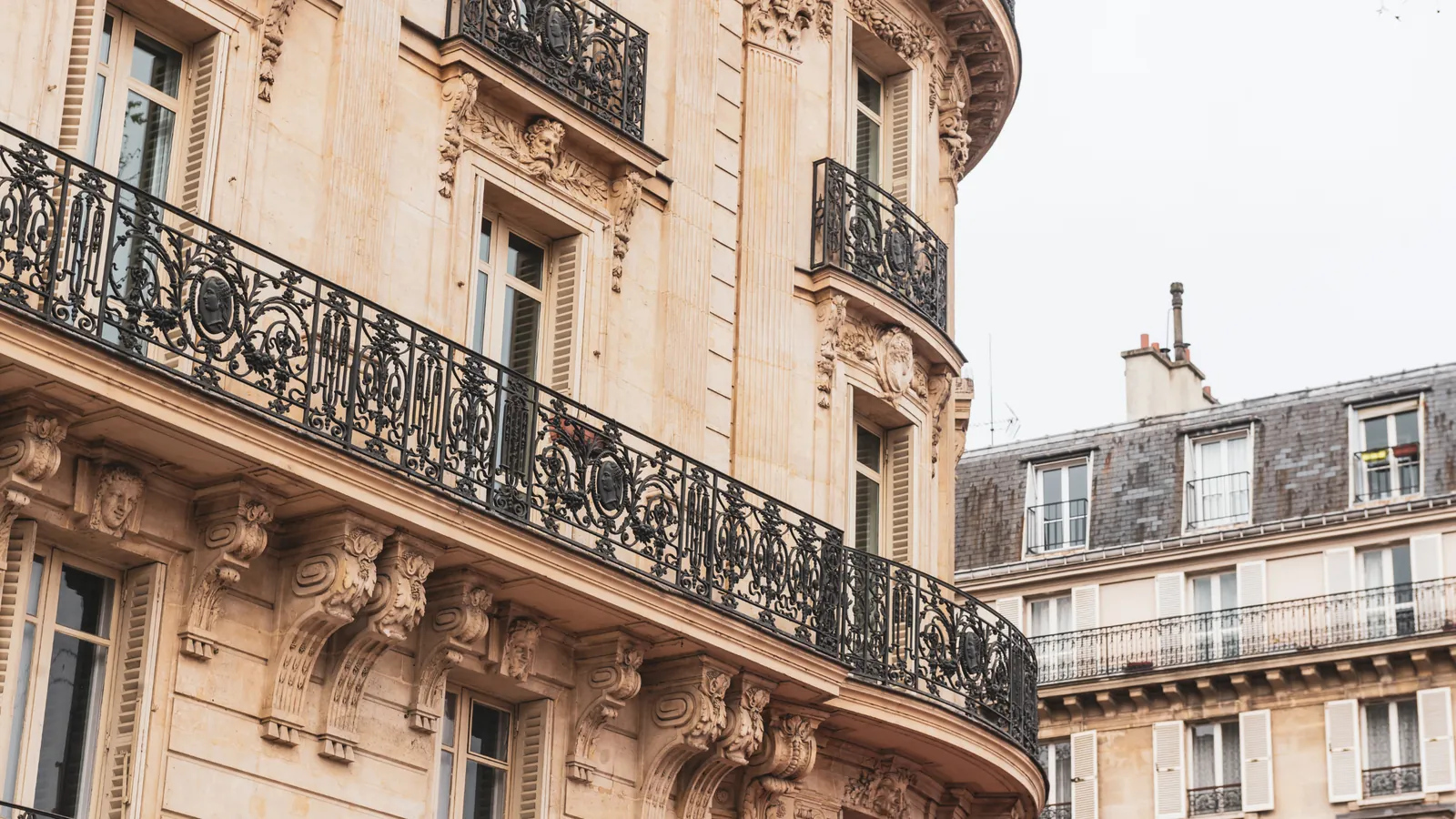
A pied-à-terre in Paris is, in French law, a second home, and Paris treats second homes differently from main residences. The city applies the maximum 60% surcharge to the second-home taxe d'habitation, limits short-term letting of a main residence to 90 days a year, and makes letting a second home to tourists very difficult. Prices, meanwhile, averaged €9,520 per square meter for existing apartments in May 2026, according to the Notaires du Grand Paris.
This guide explains what owning a Paris pied-à-terre involves in 2026, what to look for in the apartment and the building, and the mistakes international buyers most often make.
What a pied-à-terre costs to buy
Existing Paris apartments sold at €9,520 per square meter as of May 2026, citywide, according to the Notaires du Grand Paris, almost unchanged from a year earlier. By arrondissement, averages range from about €8,200 to more than €15,000 per square meter. A 40 m² one-bedroom at the city average would cost around €380,000; the same surface in the most expensive arrondissements can reach €600,000 or more.
Purchase costs for an existing apartment commonly reach around 7% to 8% of the price. Our guide to buying an apartment in Paris explains prices, the Loi Carrez surface and the purchase process, and our guide to the best arrondissements for international buyers compares the districts.
What it costs to own
| Cost | What to expect for a Paris second home |
|---|---|
| Taxe foncière | Payable by every owner, every year |
| Second-home taxe d'habitation | Payable on second homes, with Paris's 60% surcharge on the municipal share |
| Co-ownership charges | Building upkeep, caretaker, elevator, heating in some buildings |
| Voted works | Facade, roof, elevator or energy works voted by the co-owners |
| Insurance and utilities | Including while the apartment is empty |
The second-home taxe d'habitation is the cost buyers most often overlook. Notices are issued in November and payment is due by December 15. Our guide to the cost of owning property in France explains each item.
Can you rent your pied-à-terre?
This is the question that decides many purchases, and the answer in Paris is: only within strict limits.
As a main residence. Since January 1, 2025, Paris has limited letting a main residence as a furnished tourist rental to 90 days a year, down from 120. A pied-à-terre is not a main residence.
As a second home, to tourists. Letting a second home as a furnished tourist rental is a change of use, which requires an authorization from the city. Paris can make that authorization subject to compensation: converting other premises, such as offices or shops, into housing at the same time. In practice, this makes short-term letting of a pied-à-terre impractical for most owners.
Penalties. Converting a home without authorization can bring a civil fine of up to €100,000 per dwelling, and the court can order its return to housing.
Longer lets. Furnished leases of one year, or mobility leases of one to ten months for tenants in training, studies or work assignments, are a lawful alternative, subject to Paris's rent caps on new leases and to the energy-rating rules.
Do not buy a Paris pied-à-terre on the assumption of holiday-rental income.
What to look for in the apartment
Floor and elevator. Higher floors bring light and quiet, but only with an elevator; a pied-à-terre is often used with luggage.
Security and management. A building with a caretaker (gardien), a secure entrance and a well-run co-ownership makes owning from abroad far easier.
Energy rating. Homes rated G can no longer be let under new leases, with F-rated homes following in 2028. Even if you will not rent, a low rating affects resale value.
Layout. A compact apartment that works for one or two people, with storage, often suits a pied-à-terre better than a larger, awkward one.
The co-ownership's documents. Meeting minutes, the charges and voted works tell you what you will pay in the coming years.
Owning from abroad
A Paris apartment needs looking after when you are not there. Most owners arrange:
Someone local to check the apartment, receive deliveries and handle emergencies
A French bank account for charges, taxes and utilities
Attendance, in person or by proxy, at the co-ownership's general meeting, where works are voted
Insurance that covers periods when the apartment is empty
Owning a home does not give the right to live in France, which is a separate visa question. For stays of more than 90 days in any 180, Americans need a long-stay visa. Our guide to moving from the USA to France explains the options.
Common mistakes
Counting on holiday-rental income. It is rarely possible for a Paris second home.
Forgetting the second-home surcharge. It adds significantly to the annual taxe d'habitation.
Ignoring voted works. A facade or roof renovation can cost owners thousands of euros.
Buying on the top floor without an elevator. Charming once, tiring always.
Not planning management from abroad. Leaks and deliveries do not wait for your next visit.
Frequently asked questions
Can I rent my Paris pied-à-terre on Airbnb?
Rarely. Letting a second home to tourists requires a change-of-use authorization, which Paris can make subject to compensation, and penalties for unauthorized lets are high. A main residence can be let for up to 90 days a year.
What taxes does a Paris second home pay?
The taxe foncière and the second-home taxe d'habitation, to which Paris applies the maximum 60% surcharge on the municipal share.
How much does a pied-à-terre cost in Paris?
Existing apartments averaged €9,520 per square meter in May 2026, with arrondissement averages from about €8,200 to more than €15,000 per square meter.
Does owning a Paris apartment give me a visa?
No. Property ownership and immigration are separate. Stays beyond 90 days in any 180 require a long-stay visa.
Final perspective
A Paris pied-à-terre rewards buyers who treat it as what it is: a home for their own use, in a city that taxes second homes and protects its housing stock. Chosen well, in the right building and with a plan for managing it from afar, it is one of the most enduring ways to own a part of Paris.
To discuss a Paris search, explore our Paris page, or contact Asher. Asher gives American and international buyers one English-speaking point of contact, working alongside independent professionals at each step.
Sources
Notaires du Grand Paris, Paris price figures as of May 2026, as cited in our Paris apartment guide.
Kohen Avocats, furnished tourist rentals in Paris: change-of-use authorization and fines (opens in a new tab), October 16, 2026.
City of Paris, municipal regulation on changes of use (opens in a new tab), consolidated March 3, 2025.
This guide is general information as of October 2026, not legal, tax or immigration advice.
About the author
Asher McInerney
Asher McInerney has more than 20 years of real estate experience and has been licensed in California since 2005. He represents clients in San Francisco with Ground Matrix, Inc., and serves as International Director of Sales at Fracct Homes in France.
More about Asher