

Monaco
How to Choose a Property Advisor in Monaco: 12 Questions to Ask
Monaco is a small market with many intermediaries and few listings. How the profession is regulated, the twelve questions that separate a strong advisor from a weak one, how to check off-market claims, and the red flags to walk away from.

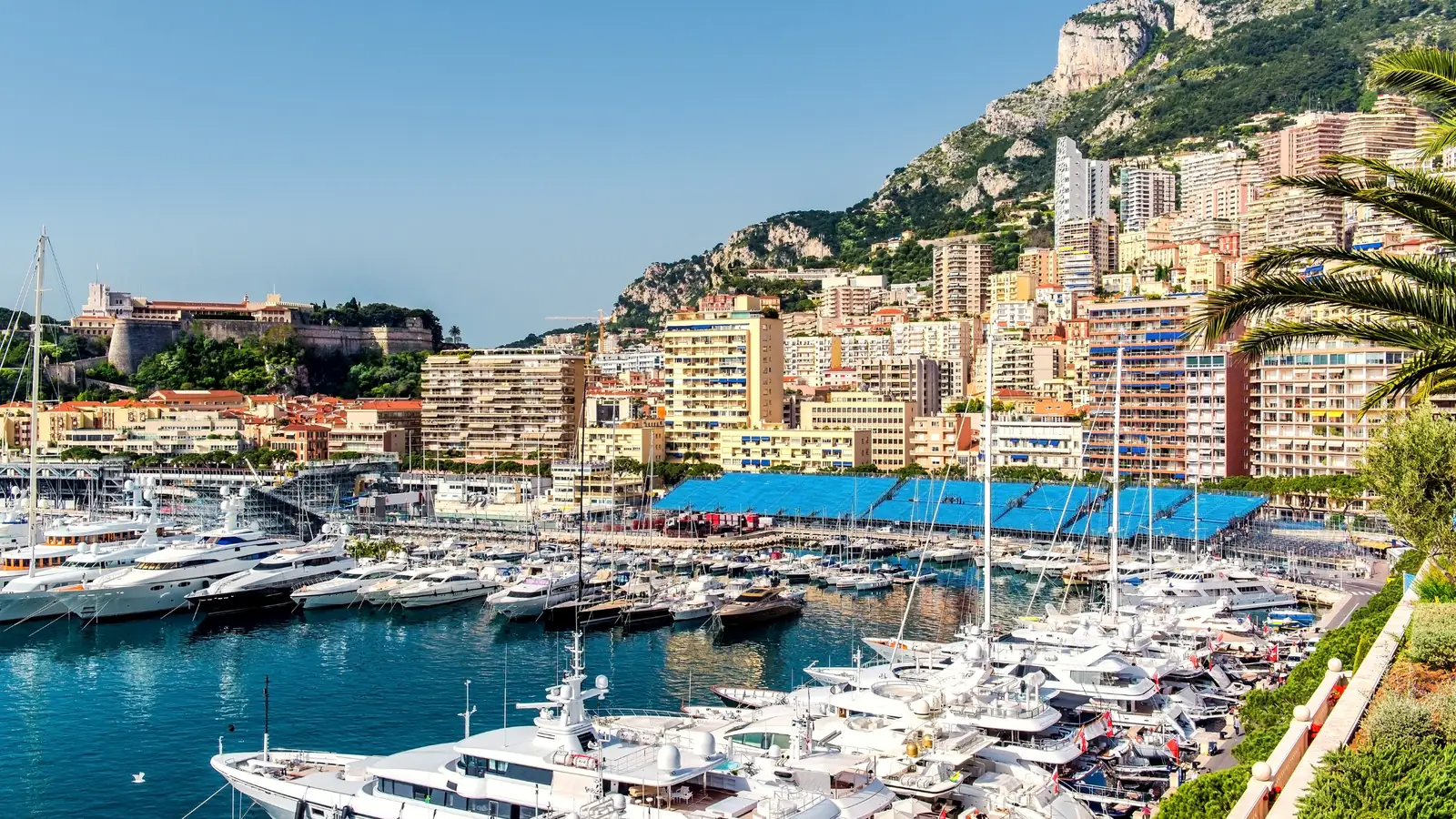
Monaco is one of the smallest property markets in the world and one of the most expensive. Supply is scarce, many of the best apartments change hands discreetly, and a buyer can be contacted by several intermediaries about the same property. Choosing the right person to represent you is therefore one of the most important decisions in a Monaco purchase, and one of the least discussed.
This guide explains how the profession is regulated, the twelve questions to ask before you work with anyone, how to test claims about off-market properties, and the warning signs to take seriously.
How real estate professionals are regulated in Monaco
Monaco regulates real estate transaction activities under Law No. 1.252 of July 12, 2002, and its implementing ordinance. Estate agency is a regulated activity: a business that carries out property transactions in Monaco must hold an authorization to do so. The final deed of every sale is signed before one of Monaco's three notaries, who are public officers rather than advocates for either party.
The rules are being tightened. In October 2025, Monaco's National Council unanimously adopted a bill, No. 271, to reform the real estate professions. As proposed, it would introduce a compulsory professional card, regular training, mandatory written mandates, and a rule that only an authorized professional may be paid a commission. In March 2026, the Government gave a favorable opinion to turning it into a government bill. It is not yet in force, and its final wording may change.
Two practical consequences follow. First, authorization in France does not authorize anyone to carry out transactions in Monaco: the two countries license professionals separately. Second, the titles people use, such as advisor, broker, consultant or search agent, are not a substitute for knowing who is authorized to act. Our guide to Monaco property advisors and French Riviera agents explains how the roles differ.
12 questions to ask before you choose
About their authorization and role
Which entity is authorized to carry out the transaction in Monaco? Ask for the name of the authorized agency and check that it appears on the mandate and the documents you sign.
What exactly is your role? Are they the agency holding the seller's mandate, a buyer's representative, or a coordinator who works alongside licensed agencies? Each is legitimate, but you need to know which.
Will you represent only me on this purchase? An agent who holds the seller's mandate owes duties to the seller. Ask how conflicts are handled if they also act for you.
How are you paid, by whom, and when? Ask for the fee in writing, including VAT, before you view anything. Agency fees in Monaco are commonly quoted at around 3% plus VAT and are generally paid by the buyer.
About their knowledge and track record
Which recent transactions have you been involved in, and in what role? A credible professional can describe comparable work, even when client details are confidential.
What have comparable apartments in this building or district actually sold for? Asking prices in Monaco can differ widely from achieved prices. Our Monaco market report gives the official figures by district.
What do you know about this building? Co-ownership charges, planned works, parking, storage, the condition of common areas and any restrictions on use all affect value.
Which notary, lawyers and banks do you work with, and are they independent of you? A good advisor introduces professionals, but you should always be free to choose your own.
About how they will work for you
How will you search beyond the public listings? In a market this small, much of the value lies in relationships with agencies, building managers and owners.
How will you help me negotiate? Ask what evidence they will use to support an offer and how they handle competing buyers.
What will the process look like from offer to keys? They should be able to explain the preliminary agreement, the deposit held by the notary and the timeline. Our guide to the Monaco purchase process sets it out.
If residency is part of my plan, how do you coordinate the purchase with it? Buying a home does not give residency by itself. Read our Monaco residency guide before you commit to a timeline.
How to test an off-market claim
Off-market sales are real in Monaco, and some of the best apartments never appear on a portal. But "off-market" is also used loosely, sometimes for properties that are widely circulated or not genuinely for sale. Before you invest time:
Ask who holds the mandate. A genuine opportunity has an owner who has agreed to sell, usually through an authorized agency. Ask whether there is a written mandate and with whom.
Ask for documents early. Floor plans, the co-ownership regulations, recent charges and the surface area should be available before a serious viewing.
Watch for the same property from several sources. If two intermediaries offer you the same apartment, ask each to explain their relationship with the seller. You should never be committed to paying two fees.
Check the price against evidence. Off-market is not a reason to pay above what comparable apartments have achieved.
Red flags
Reluctance to name the authorized agency or the mandate holder
A request for any payment before completion, or for funds to be sent anywhere other than the notary
Fees that are vague, verbal only, or that change once you show interest
Pressure to sign quickly without seeing documents
Claims of exclusive access that cannot be explained
Discouraging you from using your own lawyer or adviser
Monaco's anti-money-laundering rules require real estate professionals and notaries to identify their clients and understand the origin of funds. Detailed questions about your identity and your money are a sign of a compliant process, not a reason for concern.
What a good advisor does for you
The best advisors in Monaco do more than open doors. They help you decide what to buy, not only where; they tell you when a property is overpriced; they coordinate the agency, the notary, your bank and your lawyer; and they are transparent about how they are paid. For international buyers, having one consistent point of contact who explains each step in your language is often the difference between a smooth purchase and a stressful one.
Frequently asked questions
Do real estate agents in Monaco need a license?
Yes. Real estate transactions are a regulated activity in Monaco under Law No. 1.252 of 2002, and the business carrying out a transaction must be authorized to operate in Monaco. Authorization in France does not extend to Monaco.
How much does a property advisor cost in Monaco?
There is no single fixed fee. Agency fees are commonly quoted at around 3% plus VAT and are generally paid by the buyer, while buyer's representatives may charge their own fee. Agree the amount, who pays and when, in writing before you start.
Is it better to use a lawyer or a property advisor for due diligence?
They do different jobs. The notary verifies title and authenticates the sale; an independent lawyer protects your legal interests; a property advisor helps you choose, value and negotiate. For most international buyers, the right answer is a combination. Our Monaco due diligence checklist covers what to check.
How can I tell if an off-market listing is genuine?
Ask who holds the written mandate, request the documents, and compare the price with recent sales. A genuine opportunity can be explained clearly.
Final perspective
In Monaco, the person who represents you shapes what you see, what you pay and how smoothly the purchase goes. Ask the twelve questions, insist on clarity about authorization and fees, and work with people who can explain every step.
Asher McInerney gives international buyers one English-speaking point of contact for Monaco and the French Riviera, working alongside experienced, locally licensed Monaco professionals who carry out the transaction. Learn more on our Monaco property advisor page or contact Asher to discuss your search.
Sources
Government of Monaco, regulated activities, including estate agents (Law No. 1.252 of July 12, 2002, and Sovereign Ordinance No. 15.700) (opens in a new tab).
CMS Monaco, reform of real estate activities and professions (opens in a new tab), April 1, 2026.
CMS Monaco, Bill No. 271 on the reform of real estate professions (opens in a new tab).
This guide is general information as of November 2026. It is not legal advice.
About the author
Asher McInerney
Asher McInerney has more than 20 years of real estate experience and has been licensed in California since 2005. He represents clients in San Francisco with Ground Matrix, Inc., and serves as International Director of Sales at Fracct Homes in France.
More about Asher