

International Living
Monaco Property Advisor vs. French Riviera Agent: Who Does What When You Buy
Monaco and France sit side by side but license real estate professionals differently. What a Monaco agency, a French agent, a notary and an international advisor each do, how to check who is authorized, and the questions to ask before you sign anything.

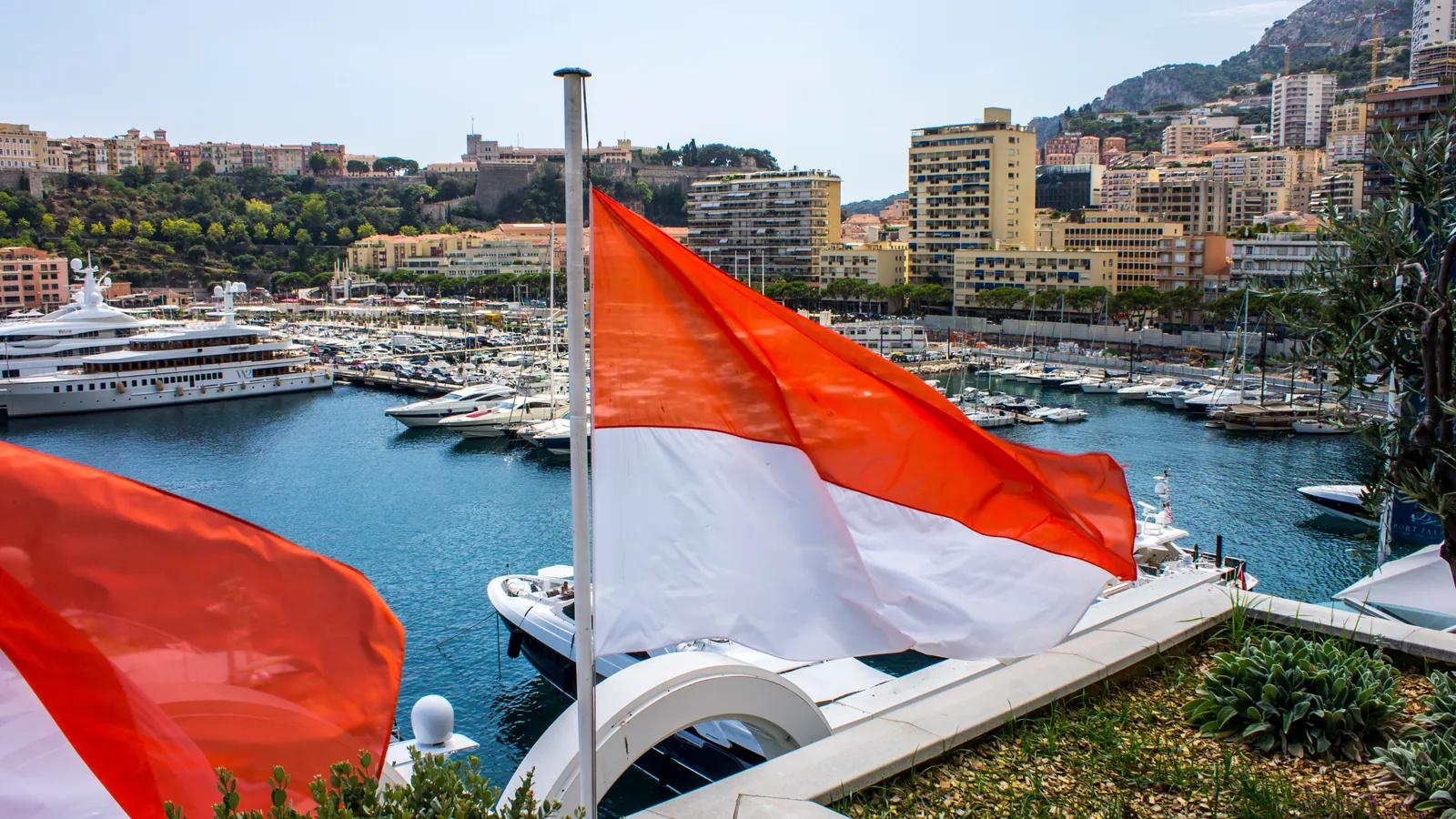
An international buyer looking at Monaco and the French Riviera meets a lot of titles: agent, broker, advisor, negotiator, notary, buyer's representative. The coast is continuous, but the rules are not. Monaco is a sovereign country with its own law on real estate professionals; a few hundred meters away, in Beausoleil or Cap-d'Ail, French law applies instead.
Knowing who does what, and who is authorized to do it, is the simplest way to protect yourself. This guide explains the main roles in each jurisdiction, how they are regulated, and how an international advisor fits in alongside them.
The short answer
A licensed real estate agency handles the transaction: marketing, viewings, negotiation and the sales mandate. In Monaco, it must be authorized under Monegasque law; in France, under French law.
A notary authenticates the sale, verifies title and registers the transfer. Every residential sale in both countries passes through one.
An international advisor can act as a single point of contact for a buyer, defining the search, coordinating viewings and introducing the right professionals, while the transaction itself is carried out by professionals licensed in that jurisdiction.
The titles overlap in English. What matters is who holds the mandate, who is authorized to act in the place where the property is, and who is paid by whom.
Who does what in Monaco
Real estate agencies
Real estate transaction and management activities in Monaco are governed by Law No. 1.252 of July 12, 2002. Its implementing rules, updated in 2021, require professionals to meet qualification standards, either a relevant degree or extensive professional experience, and to provide a financial guarantee, with a minimum of €150,000 for transactions. A reform bill filed with Monaco's National Council in September 2025 proposes further changes, so the framework may evolve.
For a buyer, the practical point is simple: the agency that handles the sale should be authorized to operate in Monaco.
Notaries
Monaco has three notaries. The notary holds the deposit, usually 10% of the price, verifies the seller's title and the legal situation of the property, and authenticates and registers the final deed. The notary is a public officer, not an advocate for either party.
Independent advisers
Lawyers, tax advisers, banks and residency specialists address questions beyond the notary's role: the purchasing structure, financing, the origin of funds and, where relevant, the residence permit, which is separate from the purchase.
Who does what on the French Riviera
Real estate agents
In France, real estate transactions are regulated by the Hoguet law of 1970. A business that carries out transactions must hold a professional card, the carte T, issued by the regional chamber of commerce and valid for three years. Obtaining it requires proof of professional aptitude, a financial guarantee and professional liability insurance. Salaried negotiators and independent commercial agents work under a cardholder, who issues them an attestation authorizing them to act.
You can ask any French agent for their card number or attestation, and the agency's card details should appear on its mandates and documents.
Notaries
As in Monaco, every French residential sale is completed before a notaire, who verifies title and planning information, collects the taxes and registers the transfer. Buyer and seller can share one notaire or each appoint their own, usually without increasing the overall fee.
Independent advisers
A lawyer, a cross-border tax adviser, a mortgage broker and a technical expert can all add value, particularly for international buyers and for villas, structures or rental plans.
Monaco and France side by side
| Monaco | French Riviera | |
|---|---|---|
| Governing law for agents | Law No. 1.252 of July 12, 2002 | The Hoguet law of January 2, 1970 |
| Authorization | Authorization to operate in Monaco, with qualification and guarantee requirements | Professional card (carte T) issued by the chamber of commerce, valid three years |
| Financial guarantee | Minimum €150,000 for transactions | Required for the card |
| Notaries | Three notaries in the Principality | Many notaires; parties may each appoint one |
| Typical deposit | Usually 10%, held by the notary | Commonly 5–10%, held in escrow |
| Residency | Separate application; ownership covers accommodation only | Separate visa process; ownership gives no right of residence |
Where an international advisor fits
International buyers often want one person who understands their goals, speaks their language and stays with them from the first conversation to the keys. That role is valuable when it is clear what it covers:
Defining the search and the trade-offs between buildings, districts and countries
Coordinating viewings, documents and timelines across licensed agencies
Introducing notaries, lawyers, tax advisers, banks and residency specialists
Interpreting the process and the documents, so nothing is signed without being understood
What the role does not do is replace the professionals who must be licensed where the property is. A good advisor will tell you plainly who holds each mandate, who carries out the transaction and who is paid by whom.
Questions to ask any professional
Are you authorized to carry out real estate transactions in Monaco, or in France, for this property?
Who holds the mandate for this sale, and is it in writing?
Who pays your fee, and how much is it?
Which notary will handle the deed, and can I appoint my own?
Which independent advisers do you recommend for structure, tax and financing?
If I also want residency, who will advise on the application?
Clear answers to these questions are a good sign. Vague ones are a reason to slow down.
Monaco or just across the border?
Some buyers start in Monaco and end up in Beausoleil, Cap-d'Ail or Roquebrune-Cap-Martin, French communes beside the Principality, for more space or a different budget. The properties may be minutes apart, but the purchase follows French rules, with French professionals, French costs and French taxes. Make sure the professionals you work with are authorized in the country where the property actually is. Our guides to living next to Monaco and choosing a buyer's agent on the French Riviera go further.
How Asher works
Asher McInerney gives international clients one English-speaking point of contact across San Francisco, Paris, the French Riviera and Monaco. In Monaco, he works alongside experienced, locally licensed Monaco professionals, who carry out the transaction under Monaco's rules. On the French side, he is International Director of Sales at Fracct Homes. In both, independent legal, tax, banking and residency advisers are introduced where they are needed.
Frequently asked questions
Do I need a Monaco agent to buy property in Monaco?
Monaco regulates real estate transaction activities under Law No. 1.252, so the agency handling the sale should be authorized to operate in Monaco. The deed itself is always signed before one of Monaco's notaries.
Can a French Riviera agent sell property in Monaco?
Monaco and France license real estate professionals separately. A professional authorized in France is not, by that fact alone, authorized to carry out transactions in Monaco. Ask any professional which jurisdiction they are authorized in.
What is the difference between an agent and an advisor?
An agent holds a sales mandate and carries out the transaction under the licensing rules of the place where the property is. An advisor typically works for the client's broader goals, coordinating the search and the professionals involved. In practice, the titles overlap, so ask what each person's role and authorization are.
Is the notary working for me?
The notary is a public officer who authenticates the sale and protects its legal validity, not an advocate for either side. For advice on your own interests, use an independent lawyer.
Final perspective
On this short stretch of coast, two legal systems meet. The best protection for a buyer is clarity: knowing which country's rules apply, who is authorized to act, who holds each mandate and how everyone is paid. With that in place, an experienced advisor and locally licensed professionals can make a cross-border purchase feel straightforward.
Explore our Monaco page and French Riviera page, read our Monaco due diligence checklist, or contact Asher to talk through your plans.
Sources
Valeri Agency, strengthened conditions for real estate professionals in Monaco (opens in a new tab), on Sovereign Order No. 8.860 of October 15, 2021.
CMS Monaco, bill No. 271 on reforming the real estate professions (opens in a new tab), September 26, 2025.
Legalstart, the professional card (carte T) for real estate agents in France (opens in a new tab).
Notaires de France, withdrawing from a preliminary sale contract (opens in a new tab).
Government of Monaco, how to apply for a residence permit (opens in a new tab).
This guide is general information as of October 2026. It is not legal advice.
About the author
Asher McInerney
Asher McInerney has more than 20 years of real estate experience and has been licensed in California since 2005. He represents clients in San Francisco with Ground Matrix, Inc., and serves as International Director of Sales at Fracct Homes in France.
More about Asher