

Monaco
How Long Does It Take to Buy Property in Monaco? The Purchase Process from Offer to Keys
A Monaco purchase typically takes two to three months from accepted offer to signed deed, and longer when financing, a company structure or residency planning is involved. A stage-by-stage guide to the process, the documents and what can slow it down.

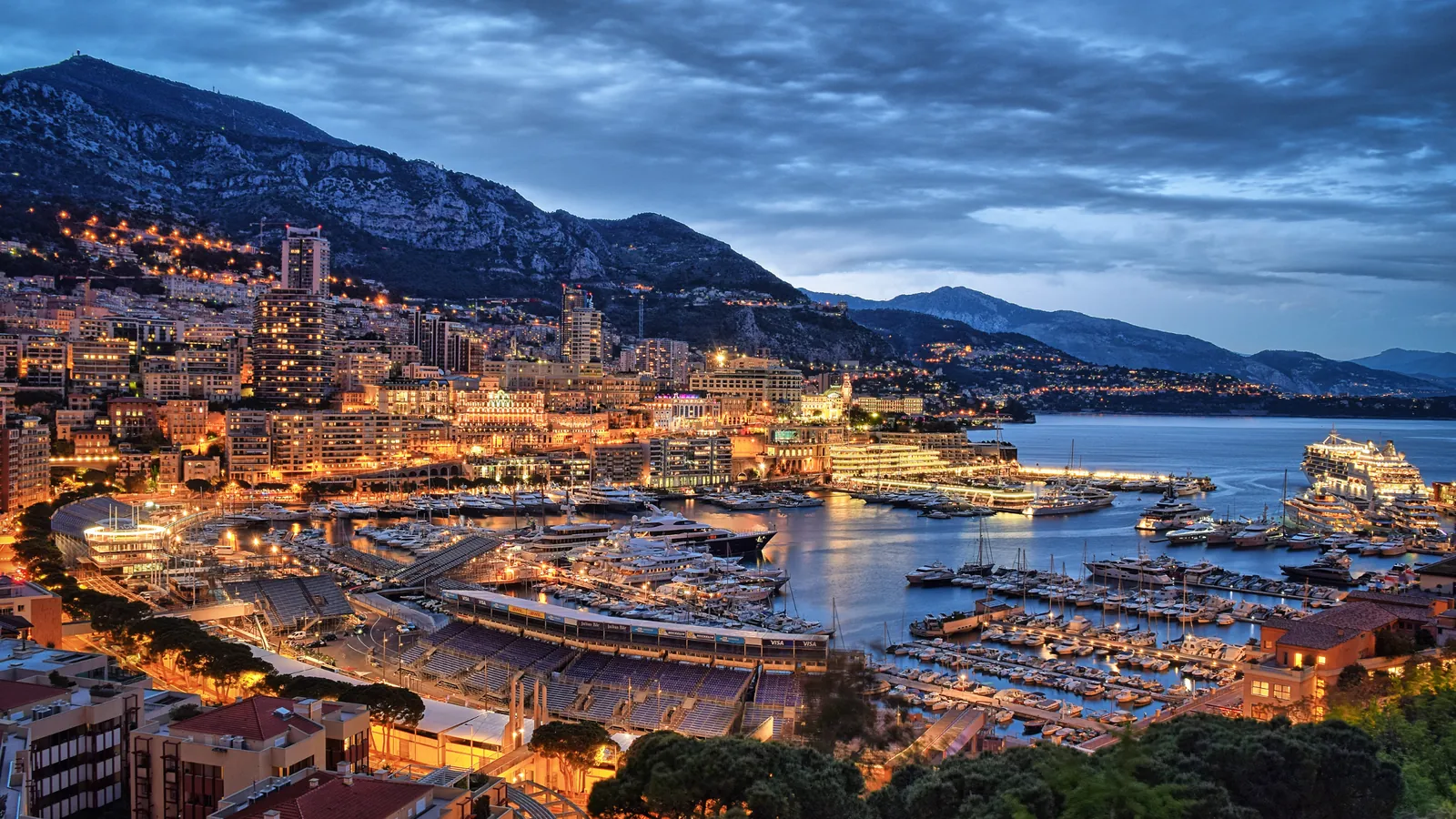
Buying property in Monaco usually takes two to three months from an accepted offer to the signing of the final deed, which is when ownership transfers and the keys are normally handed over. Add the time spent searching beforehand, and any time needed for financing, a purchasing structure or a residency application, and the full journey is often longer.
Monaco is a sovereign country with its own laws, notaries and procedures. Its process resembles France's in outline, but it is governed entirely by Monegasque law. This guide walks through each stage, what happens at it, roughly how long it takes and what can slow it down.
The timeline at a glance
| Stage | What happens | Typical duration |
|---|---|---|
| Preparation | Budget, structure, financing and documents | A few weeks, often in parallel with the search |
| Search and viewings | Shortlist, visits, building review | Varies widely with supply and criteria |
| Offer | Written offer, negotiation and acceptance | Days to a few weeks |
| Preliminary agreement | Agreement drafted and signed before a notary; 10% deposit | Usually within a few weeks of acceptance |
| Due diligence and conditions | Title, building, documents, financing | Runs to completion |
| Final deed | Signed at the notary's office; balance and costs paid | Commonly two to three months after acceptance |
| After signing | Registration, utilities, building access | The following weeks |
The durations are typical ranges reported by Monaco professionals, not legal deadlines. Every transaction sets its own timetable in the signed agreements.
Stage 1: Preparation
The fastest purchases start before the first viewing. Before you make an offer, it helps to have:
A clear budget, including registration duties, notary fees and any agency fees
A decision on how you will buy, personally or through a structure. The structure affects the registration duties and future obligations, so take legal advice early.
Financing in progress, if you will borrow. Monaco lenders review income, assets and the origin of funds, and the process takes time.
Proof of funds and identity documents. Monaco applies strict anti-money-laundering rules, and buyers must be able to show where the purchase money comes from.
If you also plan to live in Monaco, start thinking about the residency application now. Ownership provides accommodation, but residency is a separate process with its own requirements.
Stage 2: Search and viewings
Monaco is small, and the right apartment depends heavily on the building, the floor, the view, outdoor space and parking. Professionals authorized to carry out real estate transactions in the Principality handle listings and viewings. For international buyers, coordinating viewings across a few concentrated trips usually saves time.
Stage 3: The written offer
Once you have chosen a property, the purchase usually starts with a written offer setting out the price, a description of the property, the period the offer is valid and the main conditions. Monaco professionals describe an accepted offer as a serious commitment, so make sure every condition that matters to you, such as financing, is stated before you sign.
Stage 4: The preliminary agreement and the deposit
After the offer is accepted, the parties sign a preliminary agreement, usually called a compromis de vente, before a Monaco notary. It sets out the price, the conditions and the timetable to completion.
A deposit, usually 10% of the price, is paid to the notary, who holds it until completion and then deducts it from the balance. Ask the notary to confirm exactly when and how the deposit must be paid, and what happens to it if a condition is not met or if either party withdraws.
Common conditions
Depending on the transaction, the agreement may include conditions such as:
Obtaining a mortgage on stated terms
Satisfactory review of documents relating to the building or the property
Any specific approvals the transaction requires
A condition protects you only if it is written into the agreement. Have independent legal advice before signing, particularly if you are buying through a company or trust.
Stage 5: Due diligence
Between the preliminary agreement and the deed, the notary checks the seller's title and the legal situation of the property, and carries out the formalities the sale requires. Buyers should run their own checks too:
Areas. Confirm the interior area, terraces, cellar and parking separately.
Parking and storage. Check whether they are included, deeded and where they are located.
The building. Ask for service charges, recent co-ownership decisions and any planned works.
Condition. Inspect the apartment and, for renovations, check what authorizations were obtained.
Occupancy. Confirm whether the property will be delivered vacant.
Costs. Confirm the registration duties, notary fees and agency fees in writing.
Our Monaco due diligence checklist goes through each of these checks in detail, and our guide to buying property in Monaco covers purchase costs and the districts.
Anti-money-laundering checks
Monaco's anti-money-laundering rules, set mainly by Law No. 1.362 of August 3, 2009, as amended, require real estate professionals and notaries to identify their clients, including the beneficial owners of companies and trusts, and to understand the origin of funds. Expect detailed questions and document requests. Preparing them early is one of the simplest ways to avoid delay.
Stage 6: Signing the deed and getting the keys
Completion takes place at the notary's office. The buyer pays the balance of the price, the registration duties and the notary's fees, and the parties sign the final deed, the acte de vente. Ownership transfers at signing, and the keys are normally handed over then, unless the parties have agreed otherwise. The notary then registers the transfer and any mortgage.
Monaco has only three notaries, which is one reason the process is highly standardized. The buyer generally chooses the notary, and the seller may also involve their own.
What it costs
For an individual buying an existing apartment, registration duties of 4.75% and notary fees of about 1.5% bring acquisition costs to roughly 6.25% of the price, before agency fees. Other structures pay different rates, so confirm the figures for your purchase with the notary.
Stage 7: After the keys
After signing, new owners typically arrange utility contracts, insurance and building access, and register with the building's management. If residency is part of the plan, the purchase provides the accommodation element of the application; financial resources and good character must also be shown.
What can slow a Monaco purchase down
Financing. Mortgage approval for international buyers takes time, particularly with complex income or assets.
Proof of funds. Incomplete documents on the origin of funds delay anti-money-laundering checks.
Company or trust purchases. Structures add documents, beneficial ownership checks and, sometimes, different costs.
Building documents. Missing information on charges, works or areas holds up due diligence.
Availability of the parties. International buyers and sellers must coordinate travel or arrange powers of attorney.
Negotiation of conditions. Unclear terms in the offer often resurface at the preliminary agreement.
How to keep the process on schedule
Agree on the purchasing structure before you make an offer
Start financing discussions early and include a financing condition if you need a loan
Prepare identity documents and proof of the origin of funds in advance
Ask for the building's charges, recent decisions and planned works at the offer stage
Confirm all costs, including agency fees, in writing
Plan for signing in person, or arrange a power of attorney early
Keep residency planning separate, but in parallel
Frequently asked questions
How long does it take to buy property in Monaco?
Typically two to three months from an accepted offer to the signing of the final deed. Financing, a purchasing structure or complex documentation can extend that timeline.
How much is the deposit when buying in Monaco?
The deposit is usually 10% of the price, paid to the notary and deducted from the balance at completion.
When do I get the keys to a Monaco property?
Ownership transfers when the final deed is signed at the notary's office and the balance is paid. The keys are normally handed over at that point, unless the parties agree otherwise.
Do I need to be in Monaco to sign?
Not necessarily. Signing in person is common, but a power of attorney can often be used. Ask the notary early about what is required.
Does buying property in Monaco give me residency?
No. Ownership can satisfy the accommodation requirement, but a residence permit also requires sufficient financial resources and good character, and is applied for separately.
Final perspective
A Monaco purchase is well organized and relatively quick once an offer is accepted, but the time it takes depends heavily on preparation. Buyers who arrive with a clear structure, financing in progress and their documents ready usually move from offer to keys smoothly; those who leave these questions until after the offer often wait.
Asher works alongside experienced, locally licensed Monaco professionals, giving international clients one English-speaking point of contact from the first conversation to the signing. Learn more on our Monaco page, read our Monaco market report, or contact Asher to discuss your plans.
Sources
Balkin Monaco, buying an apartment in Monaco: process, costs and rules (opens in a new tab), 2026.
Monaco Properties, navigating property acquisition in Monaco (opens in a new tab).
Monaco Pratique, buying property in Monaco: legal guide (opens in a new tab), updated April 10, 2026.
CMS Monaco, anti-money-laundering best practice in the real estate sector (opens in a new tab), April 12, 2024.
Government of Monaco, how to apply for a residence permit (opens in a new tab).
Fortress, the real cost of buying property in Monaco (2026) (opens in a new tab).
This guide is general information as of October 2026. It is not legal, tax or immigration advice. Confirm the process, conditions and costs for your purchase with a Monaco notary and qualified advisers.
About the author
Asher McInerney
Asher McInerney has more than 20 years of real estate experience and has been licensed in California since 2005. He represents clients in San Francisco with Ground Matrix, Inc., and serves as International Director of Sales at Fracct Homes in France.
More about Asher