

French Riviera
How to Value a French Riviera Villa Before You Buy
On the Riviera, two villas of the same size can be worth very different amounts. How to check what comparable homes actually sold for, what drives value on the coast, when to commission an independent valuation, and the checks that protect the price you pay.

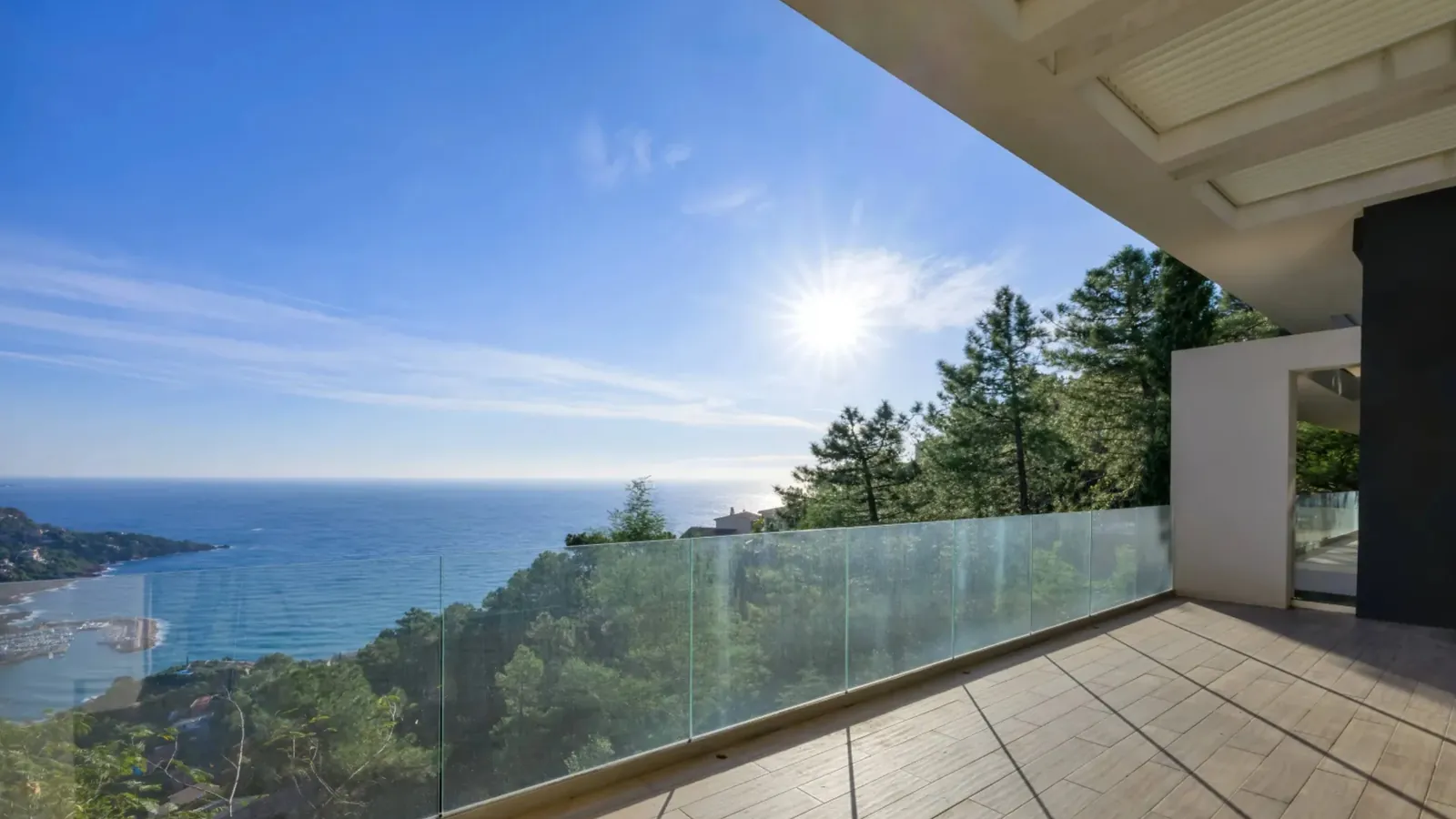
Valuing a villa on the French Riviera is harder than valuing an apartment in Paris or Nice. Villas are individual: two homes of the same size, a few hundred meters apart, can differ in value by millions because of the view, the land, the light, the access or the planning rules. Asking prices are set by sellers, and the market for exceptional properties is thin. A buyer who wants to pay a fair price needs evidence, not just a listing.
This guide explains how to build that evidence before you make an offer: recorded sale prices, the factors that drive villa value, independent valuations, and the legal and risk checks that can change what a property is worth.
Step 1: Look at what comparable homes actually sold for
France publishes recorded property sale prices. The government's free DVF database (Demandes de valeurs foncières), produced by the tax administration from notarial deeds, shows for each recorded sale the price, the date, the type of property, the number of rooms and the surface. It covers the past five years and is updated twice a year, in April and October.
Open the official map. Go to the government's DVF map (opens in a new tab) and search for the commune.
Zoom in to the area around the villa you are considering.
Open the recorded sales of houses and note the price, date, living area and land area of each.
Keep only genuine comparables: similar size, similar plot, similar position, sold recently.
DVF has limits that matter for villas. It does not show the view, condition, renovation, pool or the quality of the land, and exceptional villas sell rarely, so there may be few true comparables. Treat it as a reality check against the asking price, not as a valuation.
Step 2: Understand what drives villa value on the coast
Price per square meter is a poor guide for villas on its own. The factors below often explain more of the difference between two properties:
View. An open, protected sea view commands a large premium. Check whether it could be blocked by future construction or growing trees.
Land. Size, shape, slope and usability of the plot, privacy, and whether it is flat enough for a garden and pool.
Position and access. Distance to the sea, a town and the airport; the road leading to the property; noise; parking.
Exposure. South-facing homes with sun through the year are generally preferred.
Construction and condition. Age, quality, the energy rating (DPE), the roof, the pool, the systems, and the cost of renovation.
Planning potential. Whether the local plan allows extension or a new building, or whether the existing surface is the maximum.
Rarity. Waterfront, gated domains and the most sought-after capes and hills trade at levels that general averages do not reflect.
Our guide to what €1 million, €2 million and €5 million buy on the French Riviera shows how these factors play out across budgets.
Step 3: Get an opinion from someone who knows the micro-market
A local professional who sees the market every day can tell you what similar villas have sold for, how long they took to sell, and which features buyers are paying for now. Ask an agent or advisor who does not hold the seller's mandate for their view of the price, supported by examples. A written opinion of value from an agency is common in France and is usually based on comparable sales.
Step 4: Consider an independent valuation
For a significant purchase, or when the price is hard to support with comparables, consider commissioning a valuation from an independent, qualified valuer who has no interest in the sale. A formal valuation report explains the method used, the comparables relied on and the assumptions made, and lenders often require one for financing.
Ask the valuer about their qualifications, their experience with similar properties on the coast, the method they will use and the timeline. Agree the fee in advance.
Step 5: Run the checks that can change the value
Planning rules. Look up the property on the government's Géoportail de l'urbanisme (opens in a new tab) to see the zoning in the local plan, and check that existing buildings, extensions and pools were authorized.
Natural risks. Search the address on Géorisques (opens in a new tab), the government's risk portal, for wildfire, flood, landslide or other risks. The seller must also provide a risk statement with the sale documents.
Wildfire clearance. In fire-prone areas, owners must clear vegetation around buildings. This affects maintenance costs and sometimes the garden itself.
Technical diagnostics. The seller's diagnostic file includes the energy rating and other reports; read it closely.
A building survey. For older or larger villas, an independent survey of the structure, roof, pool and systems helps you price any work.
Each finding can support a lower offer, or confirm that the asking price is justified.
Bringing it together
A well-supported offer combines the evidence: recorded sales from DVF, the opinion of a professional who knows the area, an independent valuation where the stakes justify it, and the results of your checks. Presented clearly, that evidence is also your strongest negotiating tool, because it moves the discussion from opinion to facts.
Common mistakes
Relying on asking prices. Listings show what sellers hope for, not what buyers paid.
Comparing price per square meter across very different villas. Land, view and position matter more.
Ignoring planning and risk information. A view or an extension can be worth far less if it cannot be protected or authorized.
Underestimating renovation costs. Price the work before you negotiate, not after.
Using only the seller's agent's opinion. Their duty is to the seller.
Frequently asked questions
How can I check what a villa actually sold for on the French Riviera?
Use the government's free DVF database, which shows the recorded price, date, type, rooms and surface of sales over the past five years. Compare similar homes nearby, keeping in mind that it does not show views or condition.
Should I get an independent valuation before buying a villa?
For a significant purchase, or when comparables are scarce, an independent valuation from a qualified valuer with no interest in the sale is a sensible protection, and lenders often require one.
What affects the value of a villa on the Côte d'Azur most?
The view, the land, the position and access, the exposure, the condition and the planning potential typically matter more than the living area alone.
Can I negotiate on a Riviera villa?
Often, yes, especially when you can support your offer with comparable sales, survey findings or planning constraints. The strength of your evidence matters as much as the number.
Final perspective
On the Riviera, a fair price is something you establish, not something you are given. Recorded sales, local knowledge, an independent valuation and careful checks together tell you what a villa is really worth to you.
To discuss a search on the coast, explore our French Riviera real estate page, see current properties in France, or contact Asher. Asher gives American and international buyers one English-speaking point of contact, working alongside independent professionals at each step.
Sources
French government, DVF property sales data (opens in a new tab), Directorate General of Public Finances, and the DVF map (opens in a new tab).
French Ministry of the Economy, the DVF service (opens in a new tab).
French government, Géoportail de l'urbanisme (opens in a new tab) and Géorisques (opens in a new tab).
This guide is general information as of November 2026. It is not a valuation, or legal or financial advice.
About the author
Asher McInerney
Asher McInerney has more than 20 years of real estate experience and has been licensed in California since 2005. He represents clients in San Francisco with Ground Matrix, Inc., and serves as International Director of Sales at Fracct Homes in France.
More about Asher