



San Francisco
Buying a Multifamily Property in San Francisco: A 2026 Investor's Guide
Duplexes, triplexes and small apartment buildings in San Francisco are valued on income, but rent control, tenant protections and building condition decide what that income really is. How to underwrite a building, read the rules and avoid the common mistakes.

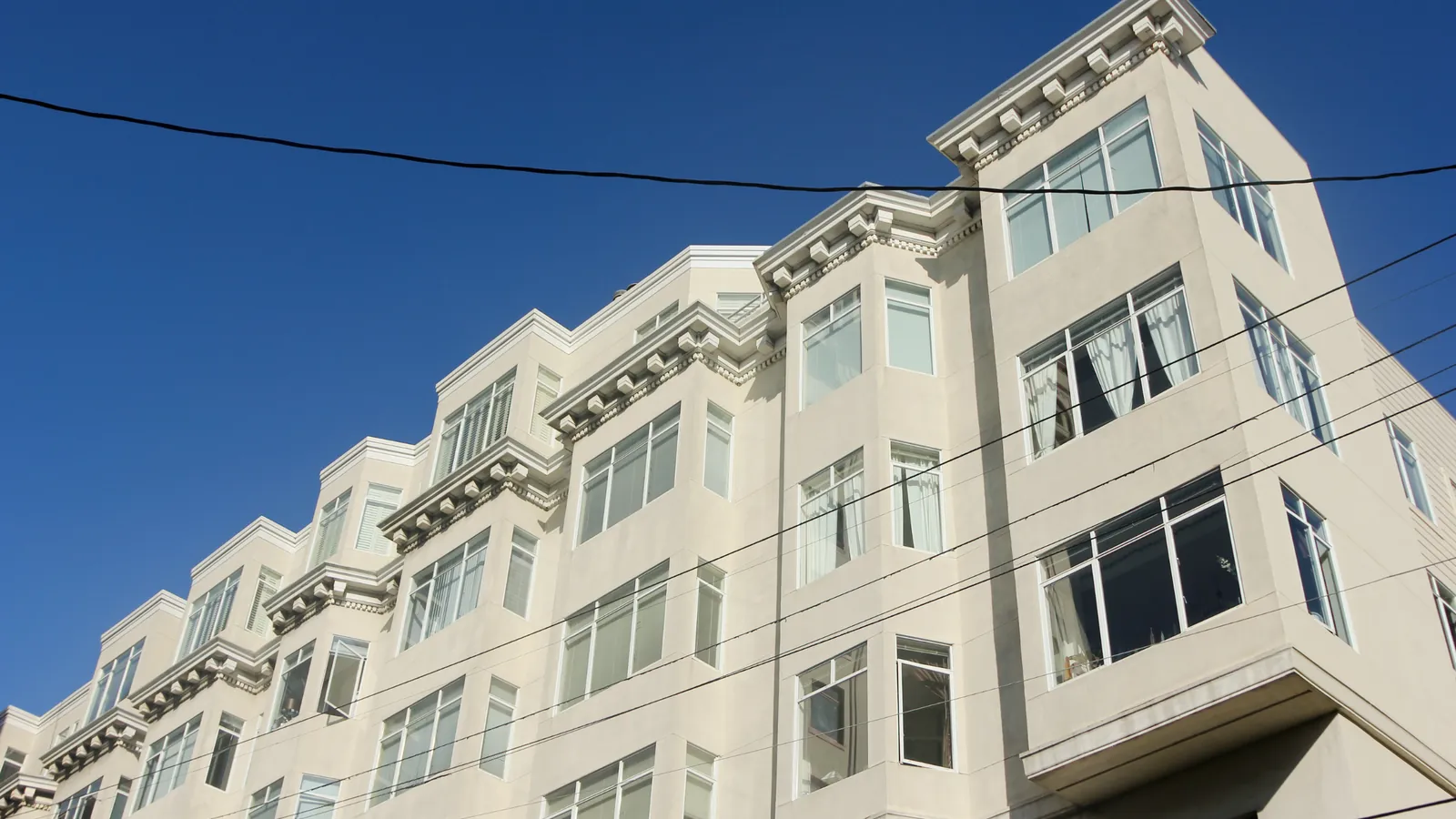
Buying a multifamily property in San Francisco means buying a business as well as a building. A duplex, a triplex or a small apartment building is valued largely on the income it produces, and in San Francisco that income is shaped by the date the building was built, the tenancies already in place, local rent and eviction rules, and the condition of systems that may be a century old.
Investors who do well here rarely pay for a building's potential. They pay for its documented present, then plan carefully for what can realistically change. This guide explains how to evaluate a San Francisco multifamily purchase in 2026, from rent control and underwriting to financing, inspections and the questions to ask before you write an offer.
The types of multifamily property
San Francisco's small multifamily stock falls into three broad groups, and each attracts different buyers.
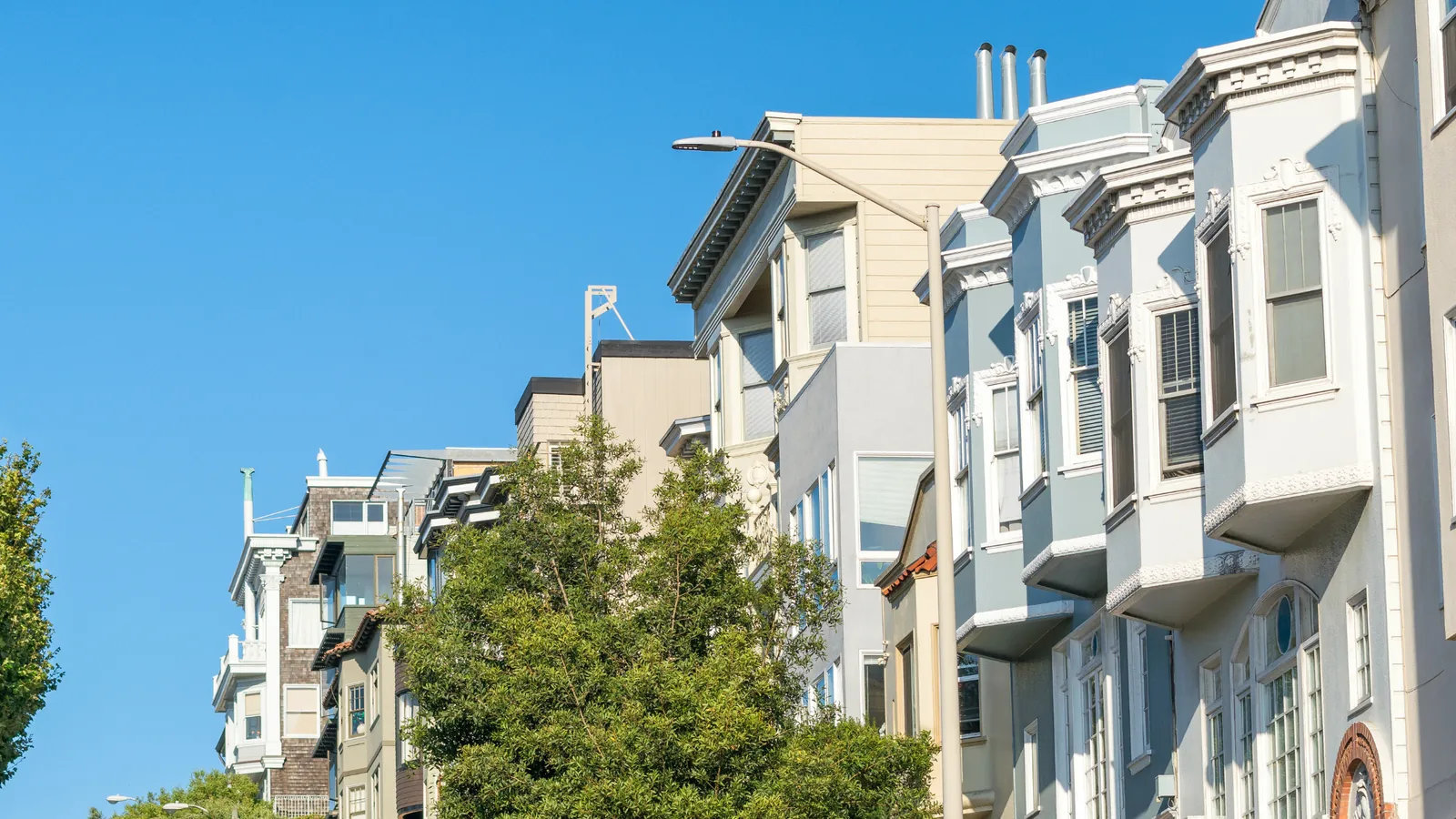
Two to four units. Duplexes, triplexes and fourplexes, often in Edwardian or Victorian buildings, sometimes with garage-level units. They are financed with residential mortgages and attract owner-occupants as well as investors.
Five to roughly twenty units. Small apartment buildings, typically financed with commercial or multifamily loans that are underwritten on the building's income.
Larger buildings. Institutional territory, with professional management and a different scale of due diligence.
A building's unit count matters for more than size. It affects the financing available, which local programs apply, and how many potential buyers will compete for the property when you eventually sell.
Owner-occupied or pure investment?
Many San Francisco two-to-four-unit buyers plan to live in one unit and rent the others. This can make sense: residential financing for owner-occupied properties is generally more favorable, and the owner sees the building every day.
Owner-occupancy also brings its own rules. San Francisco limits owner move-in evictions, requires relocation payments for no-fault evictions and protects certain tenants, such as seniors, disabled tenants and households with children, more strongly. If your plan depends on moving into a unit that is currently occupied, take legal advice before you make an offer, not after.
San Francisco rent control, explained carefully
Rent rules are the single most important variable in a San Francisco multifamily purchase, and they are not the same for every building. Three layers can apply.
The San Francisco Rent Ordinance
The local Rent Ordinance (Chapter 37 of the Administrative Code) limits annual rent increases for most units in buildings whose first certificate of occupancy was issued on or before June 13, 1979. For the year from March 1, 2026, to February 28, 2027, the Rent Board's allowable annual increase is 1.6%. Landlords may also bank increases they did not take in earlier years, and some capital improvement and operating cost passthroughs are possible under specific procedures.
The ordinance's just cause eviction protections reach further than its rent limits. Most residential tenancies in the city, including many in newer buildings, can be ended only for one of the reasons the ordinance lists, and some no-fault evictions require relocation payments that the Rent Board updates every March 1.
State law: Costa-Hawkins and AB 1482
California's Costa-Hawkins Rental Housing Act limits what local rent control can cover. Among other things, it allows owners to set a new rent when a unit becomes vacant, prevents cities from extending rent limits to newer buildings beyond the cutoffs already in place, and exempts many separately titled single-family homes and condominiums from local rent limits.
The statewide Tenant Protection Act of 2019, known as AB 1482, fills part of that gap. It caps annual increases for many units that local rent control does not cover, and it adds state just cause rules. According to the Rent Board, the AB 1482 limit for San Francisco is 8.8% for the year from August 1, 2026, to July 31, 2027. The law exempts units built within the previous 15 years, on a rolling basis, and is scheduled to expire on January 1, 2030.
What this means for a buyer
Rents in place are, in practice, the rents you are buying. In a pre-1979 building, a long-term tenant's rent can rise only by the allowable annual increase, whatever the market rent is.
Vacancies change the picture. When a tenant leaves voluntarily, the rent can usually be reset to market. You cannot plan on when that will happen.
Every building needs its own analysis. Construction date, the number of units, separate title, owner-occupancy and prior evictions can all change which rules apply. San Francisco's Board of Supervisors has also legislated to extend rent control to newer buildings if state law changes, so keep an eye on the rules as well as the rents.
Registration and fees
San Francisco requires owners of residential property to report information about each unit to the Rent Board's Housing Inventory every year, by March 1, and to pay the annual Rent Board fee where it applies. Until the reporting is done, an owner cannot receive the license needed for annual or banked rent increases, and some increases given without one are void. Ask the seller for proof of compliance.
Understanding rental income
Start with the rent roll: a list of each unit, its tenant, the current rent, the lease start date, the security deposit held, and any additional charges for parking or storage. Then verify it.
Compare the rent roll with the signed leases and with bank deposits
Ask for the history of rent increases for each unit
Confirm which units are subject to the Rent Ordinance's rent limits
Look for buyout agreements, pending petitions or disputes at the Rent Board
Check whether any tenants are protected from certain evictions because of age, disability or other status
Request tenant estoppel certificates, in which tenants confirm their rent and terms, before closing
An investor buying a building with long-term tenants at controlled rents is buying a very different income stream from one buying recently vacated units at market rents, even if the two buildings look identical.
Net operating income, cap rates and cash flow
Net operating income
Net operating income, or NOI, is the building's annual income after operating expenses, before mortgage payments and income taxes. It starts with scheduled rent, deducts an allowance for vacancy and credit loss, then subtracts property taxes, insurance, utilities paid by the owner, repairs and maintenance, management, fees and reserves for replacing major components.
The cap rate
The capitalization rate, or cap rate, is NOI divided by the price. It lets you compare buildings of different sizes and tells you the unlevered return the building produces today. A low cap rate means you are paying more for each dollar of current income, often because buyers expect rents to rise when units turn over.
Cash flow
Cash flow is NOI minus debt service. In San Francisco, a building's cap rate can be lower than the interest rate on the loan used to buy it. When that happens, the purchase produces negative leverage: each borrowed dollar costs more than it earns, and the owner contributes cash every month until rents rise.
The example is not a verdict on San Francisco investing. It shows why investors here underwrite carefully, often put down more equity, and value buildings on realistic assumptions about turnover rather than on market rents for every unit.
Property taxes and insurance
California's Proposition 13 resets a property's assessed value to its purchase price when ownership changes, after which the assessed value can rise by no more than 2% a year. San Francisco's combined secured property tax rate for 2025–26 is about 1.18% of assessed value, before any direct assessments on the bill. Underwrite taxes on your purchase price, not on the seller's lower assessed value, and expect a supplemental tax bill after closing.
Insurance deserves early attention. Ask for current premiums and loss history, obtain quotes before you remove contingencies, and consider earthquake coverage, which is usually separate from a standard policy.
Building inspections
Many San Francisco multifamily buildings are old, and their condition can matter more than their rents. Commission a thorough general inspection and, depending on the building:
Structure and foundation, including signs of settlement or water intrusion
Seismic status. San Francisco's Mandatory Soft Story Program covers wood-frame buildings of three or more stories, or two stories over a basement or underfloor area, with five or more units, where the construction permit was applied for before January 1, 1978. Confirm whether the building was covered and whether the required retrofit is complete.
Roof, drainage and building envelope
Plumbing, sewer lateral and electrical systems, including any knob-and-tube wiring
Pest and dry rot
Permits. Order the 3R report, which shows the authorized use and permit history, and compare it with what you see. Unauthorized units carry legal and financial complications.
Fire and life safety, including smoke detectors, egress and any building-specific notices from the city
Vacancy, turnover and renovation
Vacant units are valuable because they can be rented at market rates, but they also need work. Budget realistically for renovation between tenancies, for permits, and for the time a unit sits empty. In a building with long-term tenants, plan for capital work without relying on vacancies: roofs, boilers and facades do not wait for turnover.
If your plan involves buyouts, be aware that San Francisco regulates them. Owners must give tenants specific disclosures before negotiating, tenants can rescind a signed agreement within a set period, agreements must be filed with the Rent Board, and buyouts can affect a building's eligibility for future condominium conversion.
Financing a multifamily purchase
Two to four units are usually financed with residential mortgages, including conforming and jumbo loans, with different terms for owner-occupants and investors.
Five or more units generally require commercial or multifamily financing. Lenders focus on the building's income and its debt service coverage ratio, and they will apply their own vacancy and expense assumptions.
Rates and terms vary by lender and by borrower. For context, Freddie Mac's national average for a 30-year fixed mortgage on owner-occupied homes was 7.40% in the week of October 8, 2026; investment property loans are priced differently. Speak with lenders before you make an offer, and make sure your offer's contingencies give you time to finalize the loan.
Common investor mistakes
Underwriting every unit at market rent. Controlled tenancies may stay in place for many years.
Taking the rent roll on trust. Verify leases, deposits and payment history.
Using the seller's property tax bill. Taxes reset to your purchase price.
Ignoring tenant protections. Plans to move in, renovate or reposition can be limited by law.
Underestimating old buildings. Seismic, sewer, roof and electrical work can be expensive.
Overlooking unpermitted units. They can affect value, financing, insurance and legal obligations.
Skipping compliance checks. Missing Housing Inventory reports can prevent rent increases.
A due diligence checklist
Confirm the certificate of occupancy date and the rules that apply to each unit
Verify the rent roll against leases, deposits and bank statements
Request estoppel certificates from tenants
Review the Rent Board history: petitions, buyouts, eviction notices and fee status
Confirm Housing Inventory reporting is complete
Order the 3R report and compare it with the actual units
Commission general, pest, sewer and structural inspections as needed
Confirm soft-story status and any city notices or violations
Obtain insurance quotes, including earthquake coverage
Rebuild the operating budget with your own tax, insurance and reserve figures
Model cash flow at today's rents and at realistic turnover
Have a landlord-tenant attorney and a tax adviser review the purchase
Frequently asked questions
Is every multifamily building in San Francisco rent controlled?
No. The local Rent Ordinance's rent limits apply mainly to units in buildings first occupied on or before June 13, 1979. Many newer units fall under the state's AB 1482 cap instead, some units are exempt, and most tenancies are covered by just cause eviction rules. Each building needs its own review.
How much can rents rise in a rent-controlled San Francisco unit?
The Rent Board's allowable annual increase is 1.6% from March 1, 2026, to February 28, 2027. Banked increases and approved passthroughs can add to that in some cases.
What is a good cap rate for San Francisco multifamily?
There is no single answer. Cap rates depend on location, building condition, the share of controlled tenancies and the upside buyers see. Compare recent sales of similar buildings and focus on your own verified NOI and financing.
Can I buy a duplex in San Francisco and live in one unit?
Yes, and many buyers do. If the unit you want is occupied, the rules on owner move-in evictions, relocation payments and protected tenants apply, so take legal advice before you buy.
Final perspective
San Francisco multifamily property can be a durable long-term holding, but its value rests on details: the construction date, the leases in place, the rules that govern them and the condition of the building. Investors who verify every number, budget for the building they are actually buying and plan conservatively are the ones best positioned when the market and the rent roll eventually move in their favor.
To explore San Francisco multifamily opportunities, visit our San Francisco multifamily page, read our San Francisco market report, or contact Asher to discuss a specific building. If you already own a building and are thinking of selling, our guides to what your San Francisco home is worth and selling in San Francisco cover pricing and preparation, and our guide to selling a rent-controlled building in San Francisco covers valuation, records and transfer tax. Asher has more than 20 years of real estate experience in San Francisco and has been licensed in California since 2005.
Sources
San Francisco Rent Board, current rates: allowable increase, relocation payments and deposit interest (opens in a new tab), March 1, 2026, to February 28, 2027.
San Francisco Rent Board, the California Tenant Protection Act (AB 1482) in San Francisco (opens in a new tab).
San Francisco Board of Supervisors, Ordinance 248-24 on rent control for newer buildings (opens in a new tab).
San Francisco Rent Board, 2026 notice on the Rent Board fee and Housing Inventory requirement (opens in a new tab).
San Francisco Board of Supervisors, 2025–26 property tax rate resolution (opens in a new tab).
San Francisco Department of Building Inspection, Mandatory Soft Story Program (opens in a new tab).
Reuben, Junius & Rose, summary of San Francisco's tenant buyout legislation (opens in a new tab).
Freddie Mac, Primary Mortgage Market Survey (opens in a new tab), week of October 8, 2026.
This guide is general information as of October 2026. It is not legal, tax, financial or investment advice.
About the author
Asher McInerney
Asher McInerney has more than 20 years of real estate experience and has been licensed in California since 2005. He represents clients in San Francisco with Ground Matrix, Inc., and serves as International Director of Sales at Fracct Homes in France.
More about Asher