
San Francisco
San Francisco Neighborhoods for Buyers in 2026: Where to Live and What to Expect
San Francisco is a city of distinct neighborhoods, each with its own housing, weather, transit and pace. A buyer's guide to the main residential areas, from Pacific Heights and Noe Valley to the Richmond, the Sunset and the new condominium districts, and how to choose among them.

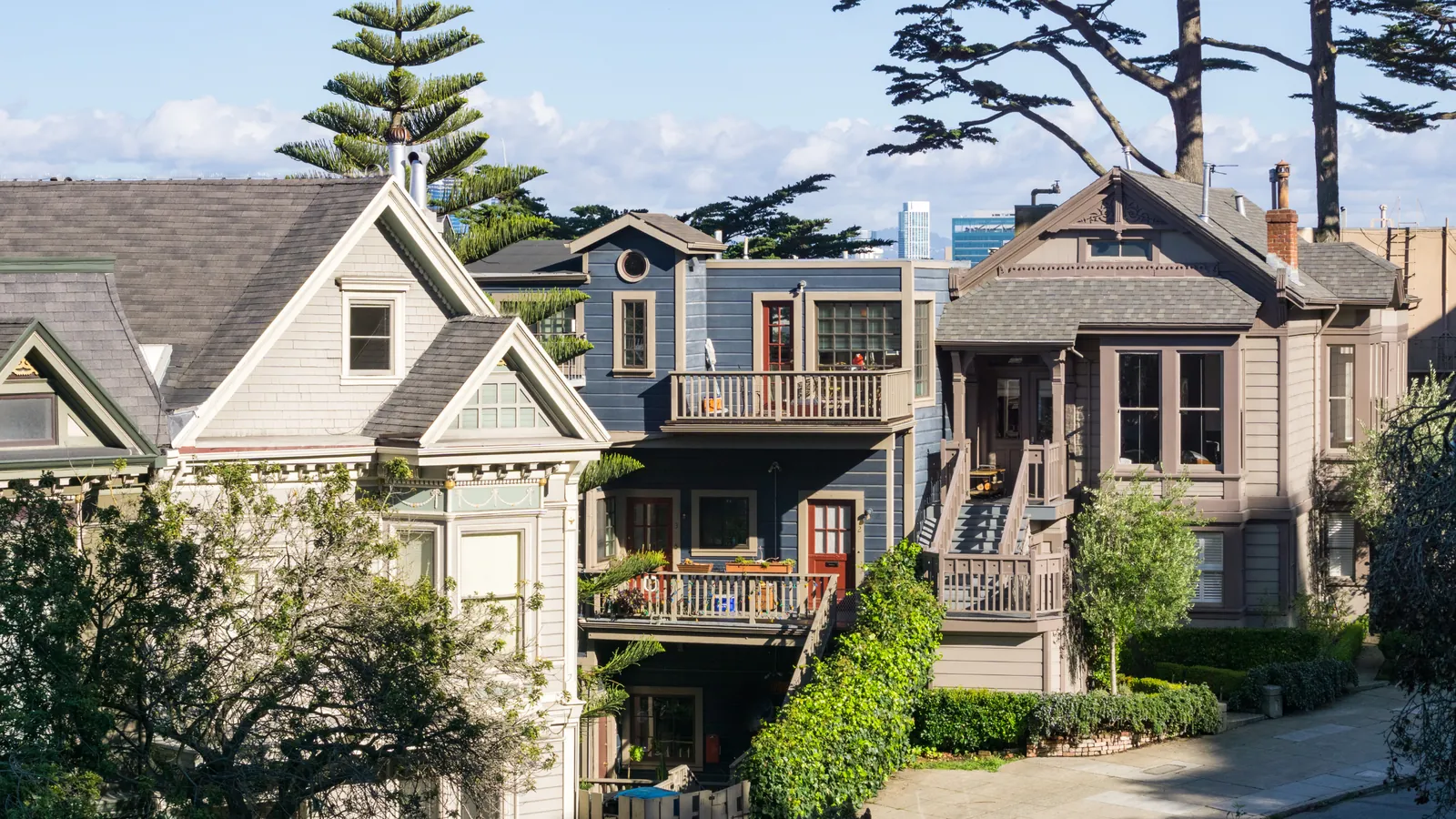
San Francisco's median price for an existing single-family home was $1,875,000 in August 2026, according to the California Association of Realtors, and homes sold in a median of 34 days. That citywide figure hides a city of very different neighborhoods: foggy western districts of row houses near the ocean, sunny eastern hills of Victorians, and new condominium towers by the bay. Choosing the right neighborhood is the first and most important decision a San Francisco buyer makes.
This guide describes the main residential neighborhoods, what kind of housing each offers and who each tends to suit, and how to narrow the choice.
How San Francisco's neighborhoods differ
Four things shape daily life more than buyers new to the city expect:
Weather. Fog rolls in from the Pacific, so the western neighborhoods are often cooler and grayer in summer, while districts such as the Mission and Noe Valley are noticeably sunnier.
Housing type. The city ranges from detached houses and Victorian flats to 1930s row houses and modern high-rise condominiums. Each brings different costs, financing and rules.
Transit. BART, Muni Metro lines and buses reach some neighborhoods far better than others. Commutes to downtown, the Peninsula or the East Bay vary widely.
Topography. Hills bring views and character, along with steep streets and, sometimes, difficult parking.
The main neighborhoods
| Neighborhood | Typical housing | Character |
|---|---|---|
| Pacific Heights | Grand single-family homes, period apartments | Hilltop views, parks, Fillmore Street shopping |
| Marina and Cow Hollow | Apartments, flats, houses | Flat, waterfront, Chestnut and Union Streets |
| Russian Hill | Apartments, condominiums, some houses | Views, steep streets, close to North Beach |
| Noe Valley | Victorian and Edwardian houses | Sunny, family-oriented, 24th Street village |
| Bernal Heights | Smaller houses, cottages | Hilltop park, Cortland Avenue, a neighborhood feel |
| Mission and Mission Dolores | Victorian flats, condominiums | Sunniest weather, Dolores Park, restaurants, BART |
| Glen Park | Houses | Village center, BART station, canyon park |
| Potrero Hill | Houses, flats, newer condominiums | Sunny, views, close to Mission Bay |
| The Richmond | Edwardian flats, houses | Near Golden Gate Park, Clement Street, cooler |
| The Sunset | 1930s to 1950s row houses | Near Golden Gate Park and the ocean, quiet, foggy |
| SoMa, South Beach and Mission Bay | Modern condominiums | Downtown, the waterfront, newer buildings with amenities |
The northern neighborhoods: Pacific Heights, the Marina, Russian Hill
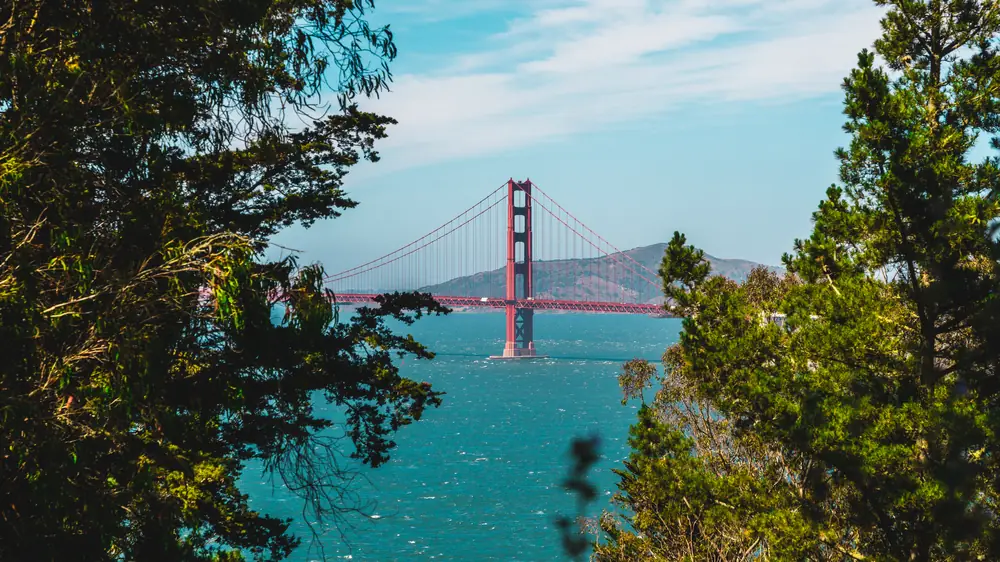
Pacific Heights is the city's classic prestige address: large homes on the ridge above the Marina, with views over the bay toward the Golden Gate, two hilltop parks and the shops and restaurants of Fillmore Street. The Marina and Cow Hollow below it are flat and lively, with waterfront paths. Part of the Marina sits on fill, so read the seismic and natural hazard disclosures carefully. Russian Hill offers views and walkable access to North Beach, with steep streets to match.
The sunny center: Noe Valley, the Mission, Bernal Heights, Glen Park
Noe Valley is known for its Victorian and Edwardian houses, its sunshine and its family-oriented 24th Street. The Mission and Mission Dolores combine the warmest weather in the city with Dolores Park, restaurants and BART access, and a housing stock that includes many Victorian flats and condominiums. Bernal Heights, around its hilltop park, has smaller houses and a strong neighborhood identity. Glen Park has a village center and its own BART station.
The west: the Richmond and the Sunset
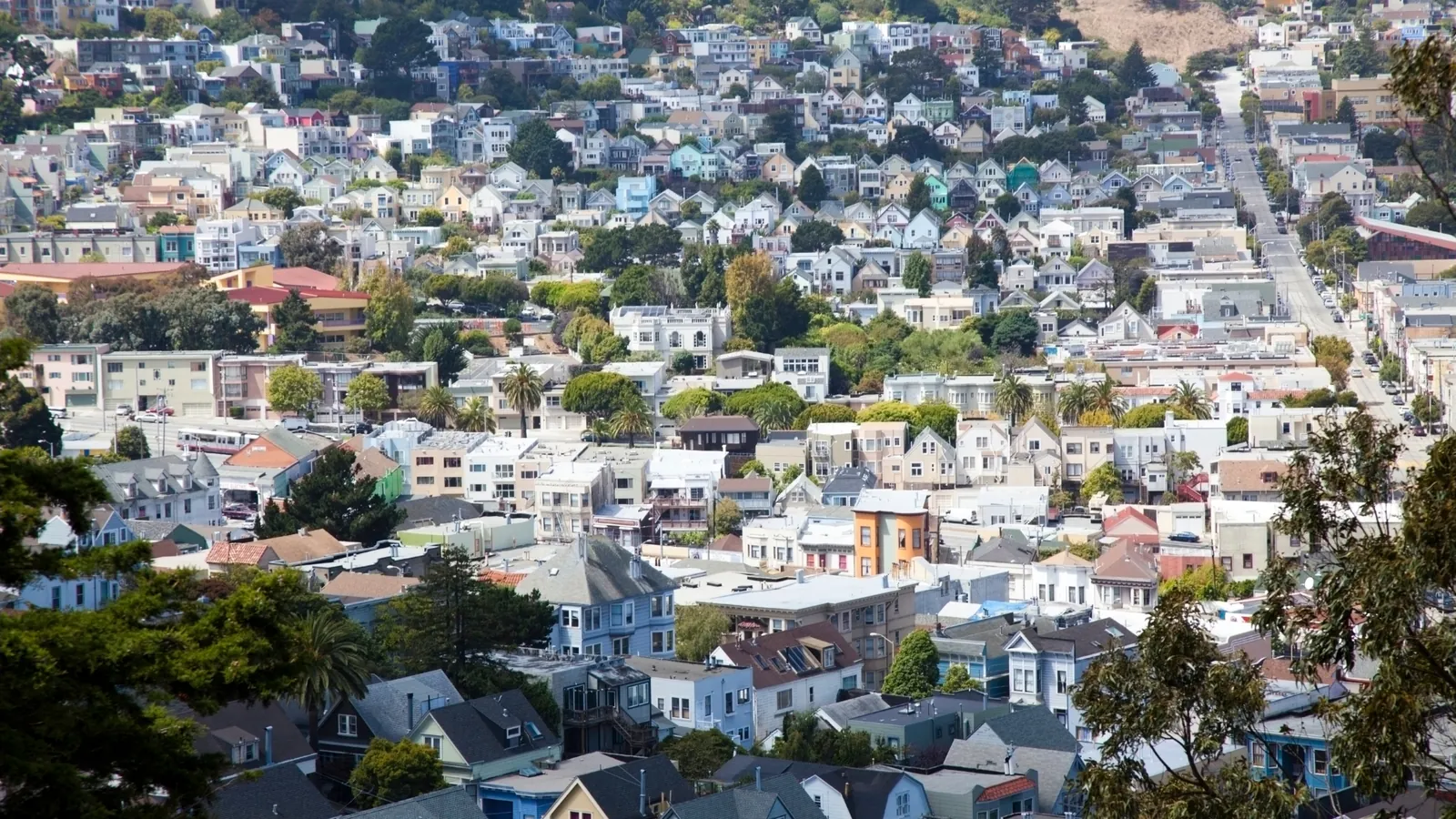
On either side of Golden Gate Park, the Richmond and the Sunset are calmer, more residential and closer to the ocean. The Richmond has Edwardian flats and houses and the shops and restaurants of Clement Street. The Sunset is defined by its rows of 1930s to 1950s houses, many with garages, and by the fog that often settles there in summer. Both tend to offer more space for the budget than the sunny central neighborhoods.
The new city: SoMa, South Beach and Mission Bay
The eastern waterfront and South of Market hold most of San Francisco's newer housing: condominium towers and mid-rise buildings, many with doormen, gyms and parking. They suit buyers who want modern construction and a short walk to downtown, but condominium ownership brings its own questions: homeowners' association dues, reserves, insurance, special assessments and whether a building qualifies for a buyer's preferred financing.
Single-family homes and condominiums are different markets
The citywide median above covers single-family homes only. Condominiums are priced, financed and resold differently, and a strong year for one segment does not describe the other. Our San Francisco market report explains the difference, and our guide to what your San Francisco home is worth explains how values are set block by block.
Costs to budget for
Property tax. Under Proposition 13, your assessed value is set at the purchase price and can rise by no more than 2% a year; the tax is based on it.
Financing. The national 30-year fixed mortgage rate averaged 7.40% in the week of October 8, 2026, according to Freddie Mac, so a small change in rate or loan size moves the monthly payment.
Homeowners' association dues for condominiums, and earthquake insurance, which many owners consider.
Transfer tax at resale, which in San Francisco is tiered by price and is commonly paid by the seller.
How to choose a neighborhood
Spend a weekday morning and a weekend afternoon there, in summer as well as winter
Time your commute at rush hour, by car and by transit
Walk to the nearest shops, park and school
Check the building's permit history in the 3R report and the natural hazard disclosures
Compare recent sales of genuinely similar homes, not just nearby ones
Frequently asked questions
What is the best neighborhood to buy in San Francisco?
It depends on how you live. Families often look at Noe Valley, Bernal Heights, the Richmond and the Sunset; buyers who want views and prestige at Pacific Heights and Russian Hill; those who want sun and restaurants at the Mission; and those who want modern buildings at SoMa, South Beach and Mission Bay.
Which San Francisco neighborhoods are sunniest?
The eastern and central neighborhoods, including the Mission, Noe Valley, Bernal Heights and Potrero Hill, are typically sunnier than the western districts near the ocean.
How much does a house cost in San Francisco?
The median price of an existing single-family home in San Francisco County was $1,875,000 in August 2026, according to the California Association of Realtors. Prices vary widely by neighborhood and property.
Are condominiums cheaper than houses in San Francisco?
Often, but not always: price depends on size, building, location and amenities. Condominiums also carry association dues and building-level risks that houses do not.
Final perspective
In San Francisco, the neighborhood defines the home as much as the house does: the weather you wake up to, the commute, the street life and the type of building you live in. Narrow the neighborhood first, then compare homes within it.
To start a search, read more about buying in San Francisco, explore the San Francisco overview, or contact Asher. Asher has more than 20 years of real estate experience in San Francisco and has been licensed in California since 2005.
Sources
California Association of Realtors, August 2026 home sales and price report (opens in a new tab), released September 16, 2026.
Freddie Mac, Primary Mortgage Market Survey (opens in a new tab), week of October 8, 2026.
San Francisco Assessor-Recorder, the basics of valuing your property (opens in a new tab).
City and County of San Francisco, transfer tax (opens in a new tab).
This guide is general information as of October 2026, not legal, tax or financial advice.
About the author
Asher McInerney
Asher McInerney has more than 20 years of real estate experience and has been licensed in California since 2005. He represents clients in San Francisco with Ground Matrix, Inc., and serves as International Director of Sales at Fracct Homes in France.
More about Asher