


Buying Guides
Buying a Home in France? Make Sure Your Financial Life Can Make the Move Too
Before buying property in France, Americans should plan banking, currency, taxes and estate questions. What to ask, and when to bring in specialists.

For many Americans, buying a home in France starts with a dream.
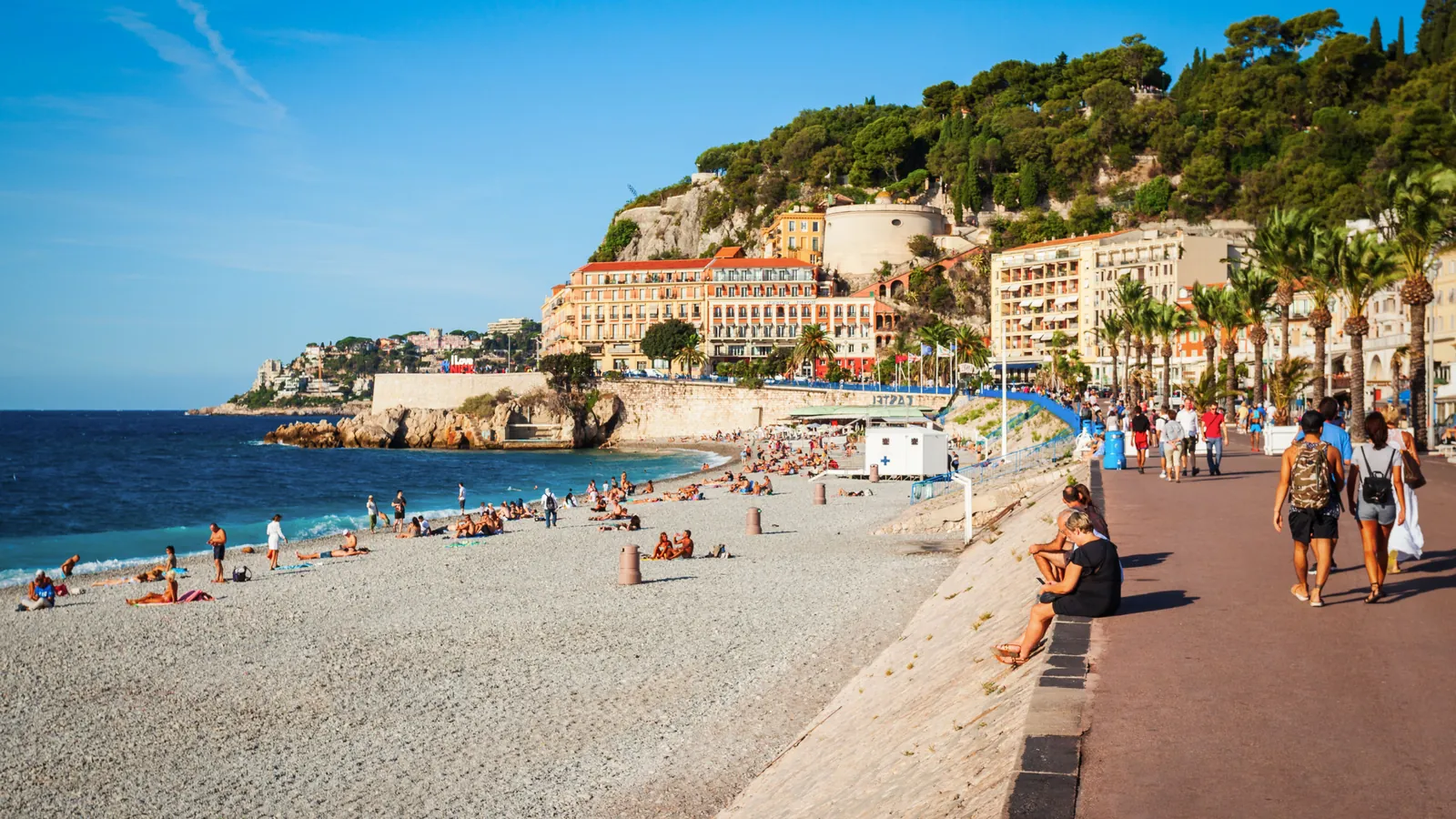
An apartment in Nice. A place in Old Town Antibes. A villa overlooking the Mediterranean. Maybe it begins as a second home, with the idea of spending more and more time in France down the road.
But after working with Americans buying property on the French Riviera, I've come to believe that finding the property is often the simplest part of the transition.
The bigger question is:
Is the rest of your financial life prepared to cross the Atlantic with you?
Owning a home in France doesn't make your financial life French
It's entirely possible to live in France, own a French property and conduct most of your daily life in euros while much of your financial infrastructure remains in the United States.
Your retirement accounts may still be American. Your brokerage relationship may be with a U.S. institution. Your estate plan may have been created when your life was entirely U.S.-based. And American tax and reporting obligations don't necessarily disappear simply because you've established a life overseas.
In other words, your lifestyle can move to Europe long before your financial structure does.
For someone contemplating a significant French property purchase, that's worth considering before signing a compromis de vente, not afterward.
Banking is becoming part of the conversation
The regulatory environment is evolving as well.
Beginning in 2027, new European banking rules under CRD VI will further define how non-EU institutions can provide certain banking services to EU residents.
That doesn't mean Americans in Europe are suddenly going to lose their existing U.S. accounts.
It does mean that anyone contemplating a permanent move should be thinking about which U.S. banking relationships they intend to maintain, what services may remain available once they become European residents, and what European banking infrastructure they'll need.
For a second-home buyer spending six weeks a year in France, this may be relatively straightforward.
For someone planning to make France home, it can be a very different conversation.
And then there's the dollar/euro question
This is something we encounter constantly in international real estate.
A €1 million property is priced at €1 million.
But an American isn't necessarily buying it with euros.
The effective dollar cost can move substantially with the exchange rate. How and when funds are converted can therefore become an important part of the transaction.
And currency considerations don't necessarily end at closing.
An American might eventually own a home in euros, borrow in euros, earn money in euros and sell assets in euros, while parts of the U.S. tax system continue measuring that financial activity in dollars.
That can create consequences that aren't immediately obvious when looking at the transaction purely from the French side.
We're real estate professionals, not tax advisers.
But knowing when a tax question needs to be asked is part of doing international real estate properly.
International real estate requires a team
This is where buying internationally differs considerably from buying a house across town.
The agent shouldn't pretend to be the notaire, tax attorney, accountant, wealth manager, banker or foreign-exchange specialist.
Our job is to understand enough of the landscape to recognize when those professionals need to be around the table.
Before an American makes a significant French property purchase, there are several conversations worth having: How will the purchase be funded? When and how will dollars become euros? Is French or U.S. financing appropriate? How should the property be owned? What changes if the buyer eventually becomes a French tax resident? Are existing U.S. banking and investment relationships compatible with a life in Europe? And have the French and American estate and tax implications been reviewed?
Not every buyer needs a complicated structure.
But the time to discover that you do need one isn't after you've bought the house.
A home isn't the only thing crossing the Atlantic
There is tremendous enthusiasm among Americans for France right now, and I understand it.
I've built my own professional life between San Francisco and the French Riviera, and increasingly I find myself helping clients navigate that same bridge.
The lesson I've taken from that experience is simple:
A successful international purchase isn't just about finding the right property. It's about making sure the property, money, banking, tax planning and lifestyle can work together.
Finding the home is where we come in.
Knowing which questions to ask, and when to bring in the right specialists, is just as important.
If you're considering buying property in France, whether as a second home, an investment or part of a longer-term move, we're always happy to start the conversation.
Source & further reading: Levitt Capital Management (opens in a new tab), September 2026 Newsletter, Issue No. 25.
About the author
Asher McInerney
Asher McInerney has more than 20 years of real estate experience and has been licensed in California since 2005. He represents clients in San Francisco with Ground Matrix, Inc., and serves as International Director of Sales at Fracct Homes in France.
More about Asher